
Most people think that learning how to join a shooting club is about finding the fanciest facility with the most expensive amenities or a high-tech lounge. They spend weeks scrolling through glossy websites, looking for the club that looks most like a resort. But after twenty years of standing on the Saturday morning line, I can tell you that a shiny clubhouse doesn’t mean a damn thing if the members don’t respect the discipline of the range. If you’re looking for a place to just show off your gear and make noise, you’re looking in the wrong places. Real clubs aren’t looking for your credit card number; they’re looking to see if you have the temperament to follow a protocol when the pressure is on.
I’m not going to give you a polished marketing brochure or a list of social clubs. Instead, I’m going to walk you through the unglamorous reality of what it actually takes to get through those gates and stay there. We’re going to talk about the paperwork, the orientation, and more importantly, the unspoken standards you need to meet before you even uncase your first rifle. I’ll show you how to find a community that values safety over status, so you can focus on what matters: getting better.
Navigating Membership Fees and Firearm Ownership Requirements

When you start looking at the numbers, don’t just look at the sticker price on the website. Shooting club membership fees usually come in two flavors: the initial buy-in and the annual dues. Some clubs charge you a premium for access to high-end amenities or specialized lanes, while others keep it lean just to cover the insurance and the electricity for the lights. I always tell people to ask if those fees include things like lane rentals or if you’re going to be paying extra every time you step onto the line. It’s better to know the true cost upfront so you aren’t surprised when the bill hits.
Then there’s the paperwork, and this is where some folks get a bit impatient. Every reputable club is going to have strict firearm ownership requirements that you’ll need to satisfy before you even touch a trigger. This isn’t just about showing a permit; it’s about the club verifying that you understand the responsibility of what you’re bringing onto their property. They might require a certain level of firearms safety certification or a brief interview with a range officer. It’s not about being difficult; it’s about making sure everyone on that line is playing by the same set of rules.
Why Firearms Safety Certification Is Your First Real Test

When you walk through those gates, the club isn’t looking to see how tight your groups are at fifty yards. We aren’t interested in your gear, either. What we’re looking for is how you handle yourself when you think nobody is watching. That’s why firearms safety certification is usually the first real hurdle you’ll face. It isn’t just a piece of paper to file away in a drawer; it is a baseline. If you can’t demonstrate a fundamental understanding of the range rules and regulations during your initial assessment, you aren’t ready for the line.
I’ve spent twenty years watching people try to breeze through these evaluations, thinking they can skip the “boring” parts. But the certification process is designed to weed out the people who treat safety like an afterthought. We use it to see if you have the discipline to follow shooting range safety protocols even when you’re feeling rushed or distracted. To me, that certification is the true litmus test: it proves you have the respect for the tool and the environment that every serious shooter needs to have.
The Realities of the Range Floor: What They Don't Put in the Brochure
- Show up early and watch the line before you sign anything. You don’t need to talk to anyone yet; just stand near the fence and see how the regulars treat each other and how the RSOs handle a mistake. You’re looking for discipline, not just a bunch of guys having a beer.
- Bring your own cleaning kit and show you know how to use it. When you’re at the club, don’t be the person asking to borrow a patch or a solvent every twenty minutes. Having your own gear shows you respect the equipment and you aren’t going to leave a mess for the next person.
- Learn the specific range commands of that club immediately. Every club has its own rhythm, but the commands for “ceasefire” or “clear arms” are non-negotiable. If you’re the one person on the line who doesn’t react the second a command is given, you’ll find yourself asked to leave pretty quickly.
- Treat the storage lockers like they’re in your own house. If the club offers storage, don’t just toss your gear in a bin and walk away. Organize it, keep it dry, and keep it locked. A club is only as good as the people who respect the shared space.
- Be prepared to be corrected without taking it personally. I’ve spent twenty years telling people they’re holding a tool wrong or failing a chamber check. If an RSO pulls you aside to correct a habit, don’t get defensive. They aren’t attacking your skill; they’re protecting your life and everyone else’s.
The Real Cost of Being on the Line
Don’t just look at the monthly dues; factor in the cost of the discipline required, like maintaining your gear to club standards and keeping up with your certifications.
A club’s true value isn’t in the fancy new steel targets, but in the quality of the safety culture and whether the members actually respect the rules when the RSO isn’t looking.
Treat your initial safety evaluation as a baseline for your habits, not a hurdle to clear, because the club is looking for consistent discipline, not just someone who can hit a bullseye.
The Discipline Behind the Membership
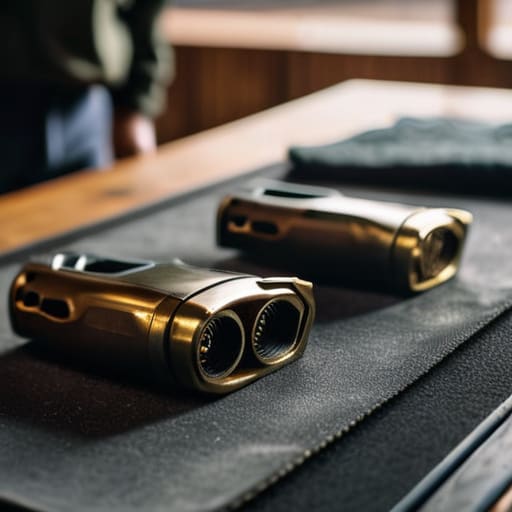
At the end of the day, joining a club is about much more than just paying your dues or showing up with a clean handgun. It’s about understanding that the fees cover the range, but your discipline covers the people standing next to you. You’ve looked at the costs, you’ve checked your gear against the requirements, and you’ve prepared to prove you can handle the safety certifications. If you can walk through those administrative hurdles with a focus on the unglamorous details—the storage, the cleaning, and the constant chamber checks—then you’re ready to step onto the line.
Don’t go into this looking for a place to just blow off steam; look for a place that demands excellence from you. A good club won’t just give you a lane and a target; it will give you a standard to live up to. When you finally get that membership card in your wallet, treat it as a commitment to the habits that keep us safe. If you get the fundamentals right when no one is watching, the shooting part will eventually take care of itself. I’ll see you on the line.
Frequently Asked Questions
Do I need to bring my own gear to the first meeting, or do clubs usually have loaners for new members?
Don’t count on loaners. Most clubs keep their rental or loaner gear strictly for official training sessions or specific sanctioned events. If you’re just showing up for an orientation or a meeting, bring your own basics—eye and ear protection are the bare minimum. If you’re planning to actually step onto the line, bring your own gear. Relying on a club to provide your equipment is a habit that leads to being unprepared.
If I'm joining a club just to practice, how much of a role does formal instruction actually play in the membership process?
Look, if you’re just coming here to put rounds downrange, you might think instruction is an unnecessary hurdle. It isn’t. Most clubs use formal training as a filter. We aren’t looking for the next Olympic shooter; we’re looking for people who won’t create a crisis on the line. If you can’t demonstrate the fundamentals under an instructor’s eye, you aren’t ready for a membership. The training ensures your “practice” doesn’t become someone else’s tragedy.
What's the deal with range rules—am I going to be expected to follow a specific way of handling my firearm, or is it more relaxed once I'm a member?
Look, let’s get one thing straight: the rules don’t relax just because you paid your dues. If anything, being a member means you’re held to a higher standard. You aren’t just a guest anymore; you’re part of the community. That means the way you clear a malfunction, how you transition between targets, and how you handle your gear when you think no one’s looking—it all stays strictly by the book. We don’t cut corners here.




