
I’ve stood on that line for twenty years, and if there’s one thing I’ve learned, it’s that most people think learning how to work as a range officer is about memorizing a rulebook or wearing a fancy vest. They think it’s about being the loudest voice on the range or the guy who knows the most technical specs about a competition rifle. But after watching thousands of shooters cycle through my Saturday morning line, I can tell you that the real job is much quieter than that. It isn’t about the authority; it’s about watching the hands and spotting the tiny, creeping habits before they turn into something nobody wants to talk about.
I’m not here to give you a sanitized lecture or a list of theoretical scenarios from a manual. I want to talk about the actual, unglamorous work: the way you position your body, how you manage a nervous novice, and the mental discipline required to stay calm when things get chaotic. I’m going to show you the stuff they don’t teach in the certification courses—the repetitive, boring checks that actually keep people safe. If you want to do this right, we’re going to focus on the habits that matter.
Mastering the Invisible Firearms Safety Protocols
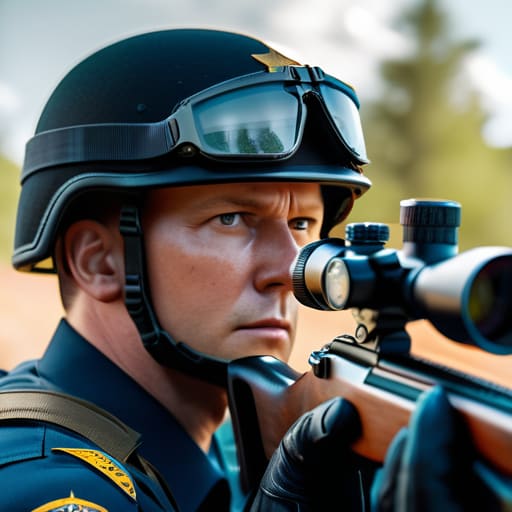
Most people think being on the line is about watching for a finger on a trigger or a muzzle pointing the wrong way. That’s the obvious stuff. The real work lies in the stuff nobody notices—the invisible habits that keep a range from turning into a crisis. I’m talking about the way you scan a shooter’s stance before they even chamber a round, or how you notice a subtle change in their breathing that signals they’re getting sloppy. Mastering these firearms safety protocols means you aren’t just reacting to mistakes; you’re anticipating them before they even happen.
It’s a mindset of constant, quiet observation. When I’m performing my range safety officer duties, I’m not looking for the big, dramatic errors. I’m looking for the small deviations: a magazine being seated a little too loosely, or a shooter who isn’t clearing their action with the same rhythm they used ten minutes ago. You have to be comfortable with the boredom of it. If you’re waiting for something exciting to happen, you’ve already lost your edge. You stay sharp by treating every single round as if it’s the one that could test your discipline.
The Grit Behind Range Officer Certification Requirements
When people look into range officer certification requirements, they usually think about the paperwork or the formal testing. They expect a classroom setting and a multiple-choice exam. But after twenty years on the line, I can tell you that the real test isn’t found in a manual. It’s the ability to maintain unwavering situational awareness while a dozen different personalities are all trying to do something different at once. You can memorize every rule in the book, but if you can’t spot a shooter’s finger creeping toward a trigger guard before they even realize they’re doing it, the certificate in your wallet won’t mean much.
The actual grit of the job lies in meeting those high firearms proficiency standards through consistent, disciplined action. It’s about the transition from being a person who just shoots well to being a person who can enforce the discipline of others without losing your cool. You aren’t just there to watch targets; you are there to manage the rhythm of the entire line. It’s a heavy responsibility that requires a level of mental stamina most people don’t realize is necessary until they’re standing in the sun on a Saturday morning, watching for the one small mistake that could change everything.
Five Habits for Keeping the Line Moving and the People Safe
- Watch the eyes, not just the hands. A shooter might have their muzzle pointed downrange, but if their eyes are wandering toward the person next to them or looking for their brass, they aren’t focused. You need to spot that distraction before they even reach for their holster.
- Master the art of the quiet correction. I’ve never seen a shooter improve because I yelled at them across a hot line. If you see a habit forming—like someone flagging the person to their left—walk over, get on their level, and give them a calm, one-on-one reminder. It keeps the tension low and the discipline high.
- Respect the rhythm of the line. Every range has a tempo. If you push people too fast, they get sloppy with their reloads; if you let them go too slow, they get bored and start playing with their gear. Your job is to find that steady, procedural beat and keep everyone on it.
- Treat your equipment like your life depends on it, because on a range, it basically does. If you’re carrying a radio, a whistle, or a medical kit, it needs to be in the exact same spot every single time. You shouldn’t have to look for your tools when things go sideways.
- Learn to love the boring stuff. Most people think being an RO is about the excitement of the shooting, but the real work is in the mundane checks—the clearing of the chamber, the inspection of the brass, and the double-checking of the flags. If you skip the boring parts, you’re just waiting for an accident to happen.
The Fundamentals to Carry With You
Safety isn’t a checklist you finish; it’s a set of repetitive habits that you perform even when you’re tired or distracted.
A good range officer focuses more on what people aren’t doing right than what they are doing right.
Your authority on the line doesn’t come from a badge or a certificate, it comes from being the most disciplined person in the room.
The Long Game of the Line

At the end of the day, being a range officer isn’t about having the loudest voice or the most impressive gear. It’s about the unseen discipline of the job. We’ve talked about the necessity of mastering those invisible safety protocols and the grit it takes to actually get certified and stay current. It’s a role built on the foundation of repetitive, sometimes boring, checks that ensure the environment stays controlled. If you can handle the certification process and commit to the constant vigilance required when a new shooter steps up to the bench, you’ve already done the hardest part of the job.
I’ve spent twenty years watching people on my line, and I can tell you that the best officers aren’t the ones who make a scene; they are the ones who prevent the scene from ever happening. You aren’t just managing a range; you are cultivating a culture where safety is a reflex rather than a chore. When you get those habits right—the cleaning, the storage, and the constant chamber checks—the shooting itself just takes care of itself. It’s a quiet kind of service, but it is the most important work we do in this sport. Keep your eyes moving and your head clear.
Frequently Asked Questions
How do I handle a shooter who gets defensive or argumentative when I call out a safety violation?
Look, I’ve seen it a hundred times. Someone gets called out, their face reddens, and they start explaining why they “weren’t actually doing that.” Don’t get caught in the argument. You aren’t there to win a debate; you’re there to manage the line. Keep your voice low and steady. State the rule, not the person. If they keep pushing, they lose range privileges. It’s not personal—it’s just how we keep everyone breathing.
What’s the best way to balance being a strict authority figure with being a helpful instructor so I don't discourage new members?
You have to remember that the rule isn’t the enemy; the lack of discipline is. When I correct someone, I don’t make it a confrontation. I make it a procedure. If a shooter forgets to clear their chamber, I don’t bark. I just walk over and say, “Let’s do that check one more time, just to be sure.” You aren’t policing them; you’re teaching them the rhythm of the line. Be firm on the mechanics, but calm in your delivery.
Besides the formal certification, what are the practical, "on-the-line" skills I won't find in a training manual?
It’s about reading the room, not just the rules. A manual won’t teach you how to spot the specific way a shooter’s shoulders tense up right before they make a mistake. You have to learn the “quiet” signals—the nervous fidgeting or the way someone handles a magazine too loosely. It’s about developing a sense for the rhythm of the line so you can step in before a lapse in concentration becomes a real problem.




