
I’ve seen plenty of folks spend three hundred dollars on a new optic or a fancy weighted stabilizer, thinking that’s the secret to staying steady when the timer goes off. They think if they just buy enough gear, the shakes will stop, but that’s a lie. The truth is, you can’t buy your way out of a racing heart; you have to outwork it. Most people spend their time looking for a magic pill for anxiety, but if you’re asking how to manage nerves at a match, you aren’t looking for a gadget—you’re looking for a process.
I’m not going to give you any of that “visualize your success” fluff that you hear in those expensive seminars. I’ve stood on the line for twenty years, and I’ve seen the best shooters in the state crumble because they forgot the basics. What I’m going to give you is a way to build a mechanical routine so solid that your body knows what to do even when your brain is screaming. We’re going to talk about the unglamorous stuff—the prep, the breathing, and the discipline—that actually keeps your hands steady when the pressure is on.
Controlling Adrenaline During Competition Through Routine
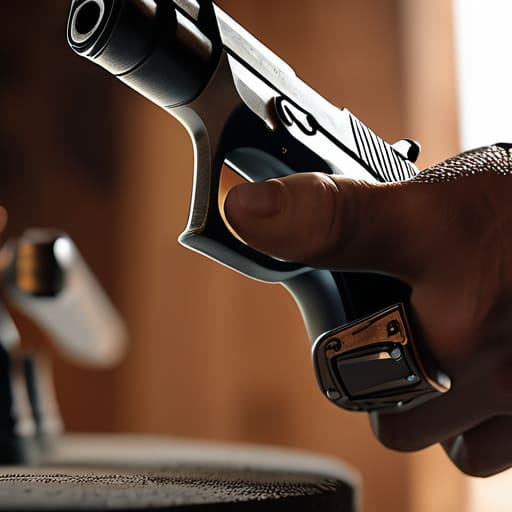
When the timer goes on and you feel that sudden surge of heat in your chest, that’s just your body preparing for work. The problem isn’t the adrenaline; it’s what you do with it. I’ve seen shooters try to fight it by holding their breath or tensing their shoulders, but you can’t out-muscle your own biology. Instead, you have to lean into a sequence of movements that you could perform in your sleep. Whether it’s the way you seat your magazine or the specific way you check your optic, these small, repetitive actions are your best tool for controlling adrenaline during competition.
I tell my students to treat their pre-stage ritual like a machining process: it has to be precise and repeatable. If you walk up to the line and start fumbling with your gear, you’ve already lost the mental battle. Use pre-game visualization exercises while you’re waiting in the staging area—not to imagine winning a trophy, but to visualize the exact mechanical steps of your movement. If your hands are busy following a practiced routine, your brain has less room to wander into the “what-ifs.” Discipline your body, and the mind will usually follow suit.
Overcoming Match Day Jitters With Disciplined Habits
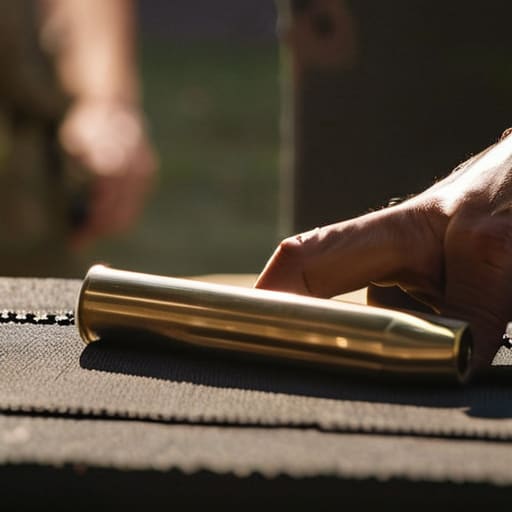
Most folks think overcoming match day jitters is about some grand mental shift, but in my experience, it’s actually about the small, boring things you do before you even step onto the firing line. I’ve watched shooters with plenty of talent freeze up because they let the environment dictate their pace. You can’t fight the biology of a racing heart, but you can lean on disciplined habits to steady your hands. If your gear is laid out exactly the same way every time, and your inspection routine is second nature, your brain has one less thing to worry about.
When the pressure starts to mount, don’t try to fight the feeling; instead, focus on your process. This is where true mental toughness in athletes shows up—not in a loud outburst, but in the quiet ability to stick to your fundamentals when your palms are sweating. Instead of worrying about the stage timer, focus on the mechanical rhythm of your movements. If you’ve practiced your dry-fire drills until they are muscle memory, those movements will carry you through the noise. Stick to the procedure, and the nerves will eventually find their place in the backseat.
The Practical Mechanics of Staying Level
- Stop staring at the scoreboard. I’ve seen guys burn their whole match because they were trying to math their way to a trophy instead of focusing on the front sight. The score is a byproduct; your job is just the process.
- Control your breathing, but don’t make it a spectacle. Deep, rhythmic breaths into your belly help settle the heart rate, but you don’t need to sit there hyperventilating like you’re in a yoga class. Just steady the rhythm so your hands don’t start dancing.
- Prep your gear the night before so you aren’t fumbling with a jammed magazine or a loose sling when the timer goes off. If you’re fighting your equipment, you’re giving your nerves an excuse to take over.
- Treat the warm-up shots like they’re the final stage. If you treat your practice rounds like a throwaway, your brain learns that it’s okay to be sloppy. If you treat every shot with respect, the nerves won’t find any gaps to crawl into.
- Focus on the immediate task, not the podium. Don’t think about the trophy or the embarrassment of a miss; just think about the next movement, the next trigger press, and the next reset. Keep your world small.
The Bottom Line for the Line
Trust your prep work over your feelings; if you’ve done the cleaning, the gear checks, and the dry fire, let the process carry you when the adrenaline spikes.
Stick to the procedure even when you feel like rushing; a broken habit is a much bigger problem on the range than a slow stage time.
Manage your breathing and your focus on the immediate task, not the scoreboard, because the score is just a byproduct of doing the small things right.
The Long Game

At the end of the day, managing your nerves isn’t about finding some magic trick to make the adrenaline disappear; it’s about building a framework that holds steady when things get loud. We’ve talked about using your pre-shot routine to anchor your focus and relying on those disciplined habits to keep your hands from shaking. If you’ve done the work—if your gear is prepped, your fundamentals are drilled, and your mental maintenance is part of your regular practice—then the jitters become just another variable to manage rather than a force that controls you. You don’t fight the nerves; you just out-prepare them.
I’ve stood on the line for twenty years, and I can tell you that even the best shooters in the world feel that tightness in their chest before a stage. The difference is that they don’t let it dictate their safety or their sequence. Don’t beat yourself up if your heart is racing; just get back to your process and trust the training you’ve put in when no one was watching. Shooting is a game of inches and seconds, but more than that, it is a game of character. Keep your habits solid, keep your eyes on the task, and the scores will eventually find their way to where they belong.
Frequently Asked Questions
How do I keep my hands from shaking when I'm actually on the firing line?
When you’re on the line and that tremor starts, stop trying to fight it with willpower. You can’t out-think adrenaline. Instead, lean into your mechanics. Slow your cadence. If you’re using a platform that allows it, find a stable rest or increase your contact points with the rifle. Focus entirely on the tactile sensation of the trigger reset rather than the shaking. If the hands won’t settle, it’s usually because your breathing has become shallow. Deep, rhythmic breaths. Control the breath, and the hands will follow.
Is there a way to tell the difference between good competitive adrenaline and the kind of nerves that lead to unsafe handling?
It’s the difference between being “dialed in” and being “scattered.” Good adrenaline feels like a sharpening; your senses are heightened, your focus is tight, and you’re moving with purpose. Bad nerves, though, feel like a blur. If you find yourself fumbling a reload, forgetting your finger is on the trigger, or checking your chamber more than twice in a minute, that’s not excitement. That’s your brain losing the thread. Slow down. Fix the habit before the adrenaline breaks you.
What do I do if I completely lose my rhythm halfway through a stage?
When the rhythm breaks, the temptation is to rush to make up for lost time. Don’t. That’s when the mistakes happen. If you feel yourself spinning out, stop. Take a breath, reset your feet, and treat the next movement like it’s the very first one of the match. You can’t fix a bad stage by speeding up; you fix it by slowing down until your fundamentals catch up to your brain.




