I’ve sat on the edge of too many clay lines watching guys spend three hundred dollars on a “premium” choke tube set, only to spend the rest of the afternoon swearing at their shotgun because they can’t hit a bird the size of a dinner plate. They think they can buy their way out of a bad pattern, but that’s just not how the physics of it works. Most of the gear talk you hear in the aisles is just noise designed to separate a fool from his money. If you’re looking for a magic wand, you’re in the wrong place, because learning how to choose a choke isn’t about finding the most expensive piece of brass; it’s about understanding the relationship between your shot and the distance you’re actually shooting.
I’m not here to sell you a brand or a lifestyle. I’m going to walk you through the actual mechanics of constriction and how it changes your spread, the way I’d explain it to a student on a Saturday morning. We’re going to strip away the marketing fluff and focus on the practical application of different constrictions so you can stop guessing and start hitting.
Understanding Shotgun Barrel Constriction Types
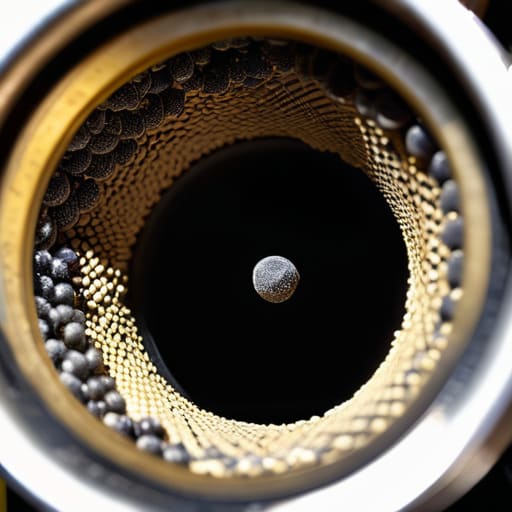
When you’re looking at the different shotgun barrel constriction types, don’t get lost in the technical jargon. At its simplest, you’re just looking at how much the barrel narrows at the end. Think of it like a nozzle on a garden hose; the tighter the squeeze, the more directed that spray is going to be. If you’ve got a tight constriction, you’re looking at a concentrated group of pellets. If it’s wide open, that energy spreads out fast.
In my experience, most folks struggle with the jump between a full choke vs improved cylinder. If you’re out in the field hunting waterfowl, you want that tight, dense grouping to ensure you actually make contact at a distance. But if you’re out on the sporting clays course, a tighter constriction might actually work against you by making your pattern too small to catch a fast-moving bird. It’s all about managing your shotgun pattern density to match the specific job you’re doing that day. You want enough spread to be forgiving, but enough tightness to be effective.
Mastering Shotgun Pattern Density in the Field
When you’re out in the field, you aren’t looking at a paper target on a stand; you’re looking at a moving target through a haze of wind or brush. This is where shotgun pattern density becomes the only thing that matters. You can have the most expensive shotgun in the world, but if your pattern is too thin, those pellets are going to fly right around the bird instead of through it. I’ve seen too many folks walk into the woods with a single choke thinking it’ll do everything, only to find they’re either blowing holes in the air or spreading their shot so wide they might as well be shooting a handful of gravel.
The trick is matching your constriction to the distance of the shot. If you’re working waterfowl at a distance, you’ll want that tighter grouping, but if you’re running birds closer to the muzzle, you need to let that pattern breathe. Hunting with different chokes isn’t about being fancy; it’s about understanding that a tight pattern at close range is just as useless as a wide one at long range. It’s about making sure that when you pull the trigger, the pellets are actually where the target is going to be.
Five Rules of Thumb for Picking Your Tube
- Stop guessing based on the label and start looking at the paper. A choke might say “Improved Cylinder,” but if your pattern looks like a spilled bag of marbles at thirty yards, that tube isn’t doing its job. Test it on a paper target at your expected distance before you ever step into the field.
- Match the constriction to the bird, not the ego. You don’t need a Full choke for everything just because it sounds more impressive. If you’re hunting upland birds in thick brush, a tighter choke is just going to make you miss the bird because you’re trying to hit it from too far away.
- Respect your shot size. You can’t just swap between heavy magnums and light target loads without thinking about what that constriction is doing to the wad. A tight choke with a light, small-shot load can sometimes lead to erratic patterns because the shot doesn’t have enough mass to stabilize.
- Check your bore for more than just copper. If you’re switching between different types of chokes, make sure you aren’t carrying old carbon or debris into the new one. A dirty choke seat is a recipe for a pattern that looks like a shotgun blast from a different kind of gun entirely.
- Don’t forget the distance factor. The most common mistake I see is people picking a choke based on what they hope to shoot. Pick the choke for the distance you are actually going to be standing at. If you’re a close-range shooter, use an open choke; if you’re reaching for those long shots, tighten it up.
The Bottom Line Before You Head Out
Stop guessing and start testing; a choke that works on a paper target in your garage might not hold a tight enough pattern when you’re actually chasing birds in the wind.
Match your constriction to your shot size and distance, because using a wide-open choke with heavy loads is just a fast way to waste expensive shells and miss easy shots.
Treat your choke tubes with respect by checking them for tightness before every outing, because a loose tube isn’t just a performance issue—it’s a safety hazard you don’t need on the line.
Getting It Right Before the First Shot
At the end of the day, choosing a choke isn’t about finding the most expensive tube in the kit; it’s about matching the constriction to the target and the distance. You’ve got to weigh the spread of your pattern against the specific needs of the species you’re hunting, whether that’s a tight cylinder for a close-range upland bird or a more restricted modified choke for waterfowl. Don’t just guess based on what the guy in the next blind is using. Take the time to test your patterns on paper first. If you understand how that constriction affects your shot density, you won’t be left wondering why you missed a clean shot when the field gets loud and the pressure is on.
I’ve spent twenty years watching folks walk onto the line with gear they haven’t even bothered to understand, and it usually ends in a wasted afternoon or a missed opportunity. Shooting is a discipline, and that discipline starts long before you ever pull the trigger. When you take the time to master these small, technical details—the cleaning, the gear selection, the proper preparation—you aren’t just being a gearhead. You are respecting the sport and the animals you’re hunting. Get your setup dialed in, respect the mechanics of your barrel, and the shooting will take care of itself.
Frequently Asked Questions
If I'm switching between different chokes frequently, am I going to run into issues with the constriction wearing down or getting stuck?
You won’t wear the constriction down—the steel is too tough for that—but you can certainly make your life difficult. If you’re swapping tubes like you’re changing socks, you’ve got to be diligent. Use a high-quality choke wrench, keep the threads clean, and never, ever force it. If a choke feels stuck, stop. Don’t go at it with a hammer. Use a bit of gun oil, let it sit, and try again.
I've got a few different brands of shells in my cabinet; does the choke I choose actually matter if the load is already specified for a certain pattern?
Look, I’ve seen people assume that because the box says “Game Load,” they can just slap any tube in and call it a day. That’s a mistake. Every shell is a different recipe of shot weight and powder burn. Even if they’re labeled for a specific pattern, your choke is the final gatekeeper. If you pair a heavy goose load with a wide cylinder, you’re going to be chasing birds all day. Match the constriction to the load, not the label.
Is it worth investing in a high-end set of screw-in chokes, or should I just stick to the basic ones that came with the shotgun?
Look, if you’re just shooting light target loads at the club, the factory tubes are fine. But if you’re serious about field work, invest in a decent set. High-end chokes offer better consistency in how they hold that pattern together, and they won’t seize up in your barrel after a season of moisture. Don’t cheap out on the threads; a stuck, low-quality choke is a headache you don’t need.




