
I’ve spent twenty years watching folks on the Saturday morning line, and if there’s one thing I’ve learned, it’s that people love to overcomplicate things. You’ll see people spending hundreds of dollars on high-tech, biometric smart safes that require a fingerprint scan, thinking that’s the magic bullet for how to keep children safe around firearms at home. But here’s the truth: a fancy gadget won’t save you if you don’t have the discipline to use it every single time. I’ve seen more near-misses caused by a “convenient” unlocked drawer than by a failure of technology. Safety isn’t something you buy in a box; it’s a set of repetitive, boring habits that you perform even when you’re tired or in a hurry.
I’m not here to sell you on the latest piece of hardware or give you a lecture that sounds like a school textbook. I want to talk about the unseen routine—the actual, gritty work of storage, cleaning, and the mental checks that happen before you even touch a trigger. I’m going to show you how to build a lifestyle of safety that relies on your habits rather than your luck.
Hardened Habits Beyond Basic Locking Mechanisms for Firearms
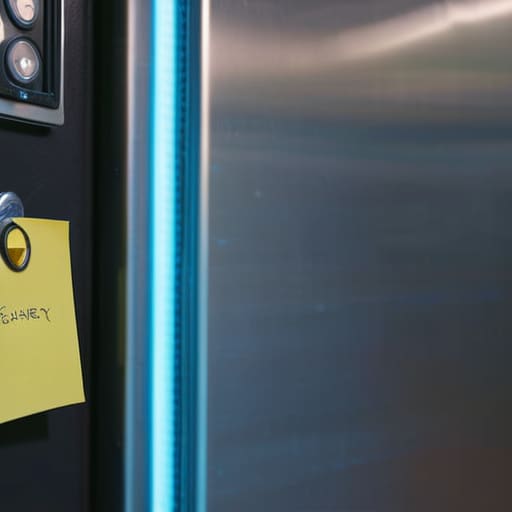
Most people think that if they bought a heavy steel box, they’ve checked the box on safety. They haven’t. I’ve seen plenty of folks invest in expensive gun safe storage solutions, only to leave the keypad code on a sticky note on the fridge or leave the key hanging on a hook right next to the door. A lock is only as good as the discipline of the person using it. If your routine for securing your gear is “whenever I remember,” you’re essentially leaving the door cracked open.
True firearm security for families isn’t about the hardware; it’s about the muscle memory. It’s about making the act of locking up as automatic as taking off your shoes when you walk through the door. I tell my students that if you have to think about whether you secured your piece, you’ve already failed the drill. You need to build a system where the firearm is inaccessible the very second it stops being used. It shouldn’t be a secondary task; it should be the final, non-negotiable step of your range day or your evening clean-up.
Real Solutions Choosing Gun Safe Storage Solutions That Last
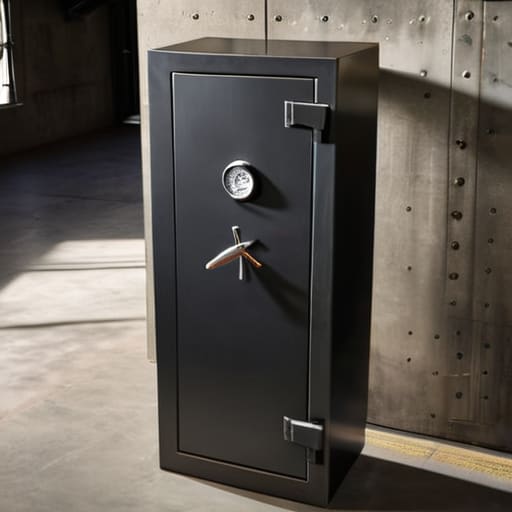
When you’re looking at gun safe storage solutions, don’t get distracted by the flashy digital keypads or the biometric scanners that promise Hollywood-level security. I’ve seen enough cheap, thin-walled cabinets to know they won’t stop a determined kid with a screwdriver and a little curiosity. You want something with actual mass and a mechanical integrity that doesn’t rely on a software update to stay locked. Whether it’s a heavy steel cabinet or a bolted-down floor safe, the goal is to make the barrier feel permanent to anyone who shouldn’t be touching it.
It isn’t just about the box, though; it’s about the layers. I always tell folks that the best firearm security for families involves a combination of a solid safe and secondary locking mechanisms for firearms, like trigger locks or cable locks, for anything you might be moving around the house. If you’re just tossing a handgun in a bedside drawer because it’s “convenient,” you’re essentially waiting for a mistake to happen. Real security is about making the right choice the easiest one, even when you’re tired after a long day.
The Five Habits of a Secure Household
- Treat every firearm as if it’s loaded, even when you’re the one who just cleared it. I’ve seen enough “accidents” happen because someone thought they knew exactly what state the gun was in. That assumption is where the danger lives.
- Make your storage routine as mindless as brushing your teeth. If you have to think about whether you locked the safe or engaged the trigger lock, you haven’t done it enough times. It needs to be a reflex, not a decision.
- Keep your ammunition and your firearms in separate, locked locations. It’s one thing to have a locked case; it’s another to ensure that even if a lock is bypassed, the components to make it a working tool aren’t sitting right next to it.
- Control the conversation. Don’t treat firearms like a forbidden secret or a scary monster; treat them like a tool that requires respect. If you make them a mystery, you make them a curiosity, and curiosity is what leads a kid to go looking for what’s hidden.
- Audit your own lapses. Once a month, walk through your house and look at your storage through the eyes of a curious ten-year-old. If you see a way to bypass a lock or a cabinet that’s easy to nudge open, fix it immediately. Don’t wait for a “close call” to tell you your system is weak.
The Bottom Line: Making Safety Automatic
A lock is only as good as your memory; if the safe isn’t closed and the key isn’t put away every single time, you haven’t actually stored the gun.
Don’t rely on “common sense” to protect your kids—rely on physical barriers and layers of security that work even when you’re tired or distracted.
Safety isn’t a one-time setup you do when you buy a new piece; it’s a repetitive, unglamorous routine that you practice until it becomes second nature.
The Long Game of Safety

At the end of the day, keeping kids safe isn’t about buying the most expensive biometric safe on the market or memorizing a list of rules from a pamphlet. It’s about the stuff that isn’t flashy—the way you clear your firearm before setting it down, the discipline of double-checking the lock, and the way you talk about guns so they become just another tool rather than a forbidden mystery. We’ve talked about hardened habits and choosing storage that actually holds up under pressure, but those tools are only as good as the person using them. If you aren’t making these steps a mindless part of your routine, you’re just leaving things to chance, and in my experience, chance is a poor substitute for a solid habit.
I’ve spent twenty years on the firing line watching people make mistakes, and they almost never happen because of a lack of gear; they happen because of a lapse in procedure. You don’t do this work to be perfect every single second, but you do it so that when you are tired, or distracted, or in a hurry, your muscle memory takes over. Treat your home safety like you treat your maintenance routine on a precision machine. Do the unglamorous work now, do it consistently, and you’ll ensure that the sport you love stays exactly what it’s meant to be: a safe and rewarding pursuit for everyone in your household.
Frequently Asked Questions
If I’m using a quick-access biometric safe, how do I make sure my kids don't just figure out the fingerprint pattern or the code?
Biometrics feel like magic until a kid spends a week watching your hand move. If you’re using a quick-access safe, you have to treat that fingerprint like a secret password. Don’t use the same finger you use for everything else, and for heaven’s sake, wipe the sensor clean. Most importantly, don’t let the “convenience” of a code turn into a predictable pattern. If they can guess the sequence, the safe is just a fancy box.
Is it better to keep my tools in a dedicated safe, or is a high-quality trigger lock and a locked cabinet enough for a household with kids?
Look, if you’ve got kids in the house, a trigger lock and a cabinet is just a suggestion, not a solution. I’ve seen enough “locked” cabinets get bypassed by a curious kid with a screwdriver or a heavy object. If you can afford it, get the dedicated safe. It’s about making the barrier so high that access isn’t just difficult—it’s impossible for a child. Make it a habit: if it isn’t in the safe, it isn’t secure.
How often should I be re-evaluating my storage routine as my children get older and more curious?
You don’t wait for a milestone like a birthday to change your routine; you change it when their curiosity outpaces your current setup. I’ve seen a ten-year-old with a screwdriver and a sense of wonder do more damage than a thief. As they get older, the “where” stays the same, but the “how” has to evolve. If they know where the key is, or if they’ve figured out the combination, your routine isn’t a routine anymore—it’s a vulnerability.




