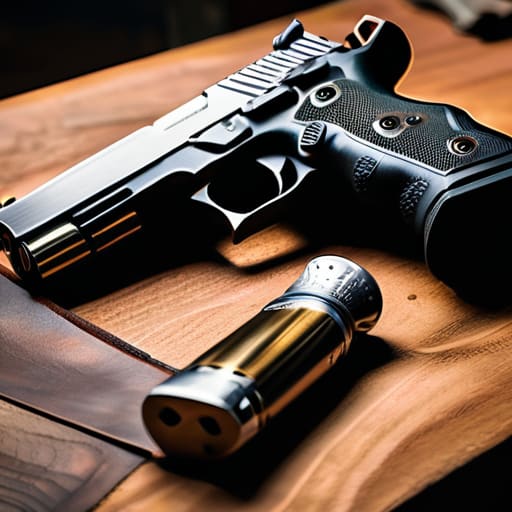
I see it every single weekend at the club: a newcomer walks up to the gear table, eyes wide, looking at a three-gun setup that costs more than my first truck. They think they need a custom-built race gun, a $500 sling, and every piece of tactical nonsense the internet can sell them just to figure out how to get into three gun. It’s a load of nonsense. Most of these folks are trying to run a marathon before they’ve even learned how to walk without tripping over their own laces. You don’t need a trophy case full of gear; you need a disciplined foundation and a set of tools that actually work when the timer starts beeping.
I’m not here to sell you on the flashy lifestyle or the high-speed stage runs you see on YouTube. What I’m going to give you is the unglamorous truth about building a kit that lasts and a skillset that doesn’t fail under pressure. We’re going to talk about the essential gear, the practical training progressions, and the maintenance habits that keep you in the game. If you want to do this right, we’ll start with the basics and build from there.
Essential Gear Building Your First Multigun Shooting Gear List
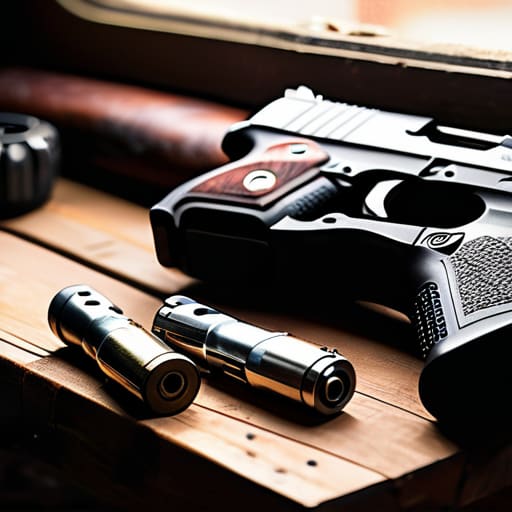
When you start looking at a multigun shooting gear list, it’s easy to get blinded by the shiny stuff—the high-speed optics or the fancy race belts. I’ve spent twenty years watching people show up to the line with a thousand dollars in “performance” gear but not a single reliable holster or a way to carry extra magazines that doesn’t involve fumbling in a pocket. Start with the basics: a reliable handgun, a semi-auto rifle, and a shotgun that won’t jam when you’re under pressure. If your tools aren’t dependable, all the fancy training in the world won’t save your score.
Beyond the firearms, you need to focus on the gear that facilitates movement. You’re going to be transitioning between platforms constantly, so your belt setup needs to be rock solid. If your holster shifts every time you draw, you’re fighting your equipment instead of the stage. Don’t overspend on the high-end competition gear right away; instead, invest in quality eye and ear protection and a sturdy sling for your rifle. Most of my advice for three gun competition beginner tips boils down to this: buy gear that works, then buy gear that’s fast.
Decoding the Chaos Three Gun Course of Fire Explained
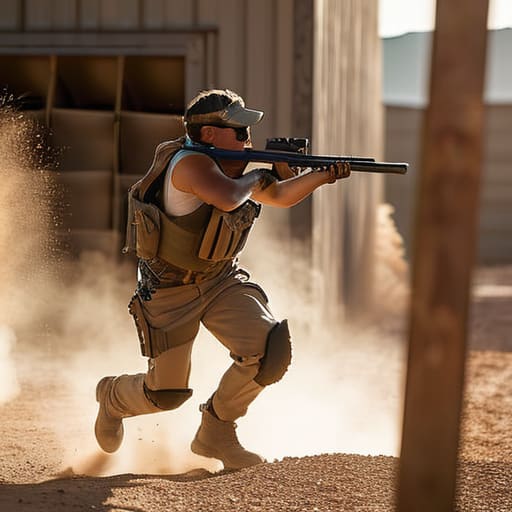
When people ask me about the three gun course of fire explained, they usually expect a simple list of stages. It isn’t that simple. A match is a series of timed stages where you’ll move between a rifle, a shotgun, and a handgun. You aren’t just shooting targets; you are managing gear, movement, and your own adrenaline all at once. You might start with a rifle stage involving long-range steel, then find yourself sprinting to a barricade to transition to a pistol for close-quarters targets.
The real challenge isn’t the distance of the shots, but the constant shifting of your mental state. One moment you are breathing slow for a precision rifle shot, and the next, you are working on improving rifle to pistol transitions under a ticking clock. It’s a lot of moving parts to keep track of. If you don’t have a disciplined rhythm, the chaos of the stage will swallow you whole. My advice is to focus on the procedure of the transition rather than the speed; if you get the movement right, the timer will eventually take care of itself.
The Fundamentals Before the Fire: Five Ways to Start Right
- Don’t buy the shiny stuff first. You’ll see guys at the matches with $3,000 optics and custom rails, but if you can’t manage your transitions or your reload under pressure, that gear is just extra weight. Start with what you have, master the mechanics, and let the gear follow the skill.
- Find a local club, not a competition. Before you jump into a high-stakes match, find a range that runs drills or practice sessions. You need a place where you can mess up your footwork or fumble a magazine without a timer ticking and a dozen eyes watching your every move.
- Master the “unseen” transitions. Three-gun isn’t just about shooting fast; it’s about the movement between the rifle, the pistol, and the shotgun. I’ve seen plenty of shooters stumble because they treated each gun as a separate sport. They need to learn how to move their body as one unit with all three tools.
- Respect the reload. In a match, a malfunction or an empty mag is a headache; in training, it’s an opportunity. Practice your reloads until they are boring. If you have to think about where your magazine is, you’ve already lost the stage.
- Learn the rules of the house before you learn the rules of the match. Every range has its own way of handling movement and transitions. If you show up knowing the specific safety protocols of the club you’re visiting, the regulars will take you a lot more seriously.
The Fundamentals You Can't Outrun
Don’t let the gear hunt distract you from the discipline; a fancy rifle won’t save you if you haven’t mastered the basic safety habits that keep a stage from turning into a disaster.
Focus on building a reliable foundation of gear maintenance and chamber checks before you worry about shaving seconds off your run time.
Understand the flow of the course of fire early, because once the timer starts, your muscle memory and your preparation are the only things actually working for you.
The Long Game
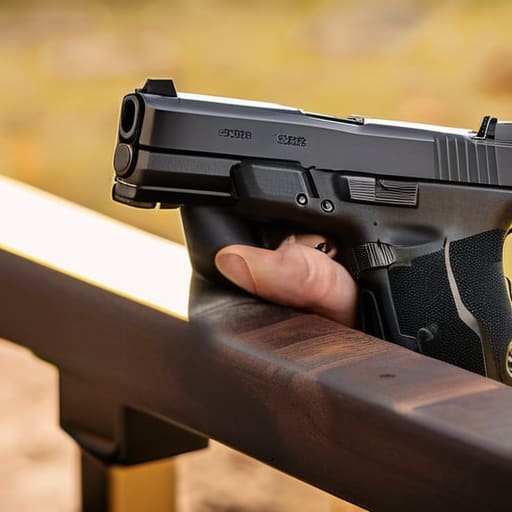
At the end of the day, getting into three gun isn’t about buying the fastest optic or the most expensive plate carrier you see on social media. It’s about understanding the gear you own, respecting the complexity of the courses of fire, and building a foundation that doesn’t crumble when the timer starts beeping. You’ve looked at the equipment, you’ve decoded the chaos of the stages, and now you have the roadmap. Just remember that consistency beats intensity every single time. If you focus on the fundamentals—the gear checks, the transitions, and the discipline—the speed will come as a byproduct of doing things the right way.
Don’t let the learning curve intimidate you. I’ve seen guys walk onto my line with thousands of dollars in kit who couldn’t clear a malfunction to save their lives, and I’ve seen shooters with beat-up surplus gear run circles around them because they had the right habits. Three gun is a marathon, not a sprint, and the goal isn’t to be the fastest person on the range today; it’s to be the most disciplined shooter ten years from now. Take it one drill, one cleaning session, and one stage at a time. I’ll see you on the line.
Frequently Asked Questions
I’ve got a decent handgun and a hunting rifle, but do I really need to buy a dedicated AR-15 just to try this out?
Look, you don’t need to go out and drop three grand on a custom build just to see if you like the sport. If that hunting rifle is semi-auto and you can get some magazines for it, give it a shot. But truth be told, most of the stages are designed around the AR platform. You’ll spend half your time fighting your gear instead of learning the movement. Start with what you have, but expect to upgrade.
How much time should I actually be spending on cleaning and gear maintenance versus practicing my transitions?
If you’re asking that, you’re probably over-indexing on the stage runs. Look, transitions are what win matches, but maintenance is what keeps you in them. I tell my students to spend at least forty percent of their “range time” on the unglamorous stuff. If you aren’t cleaning your optics and checking your mag springs as often as you’re practicing your draws, you aren’t training—you’re just practicing how to fail under pressure.
Is it better to start with a local club's beginner clinic, or should I just show up to a match and try to keep up?
Look, I’ve seen it both ways. If you just show up to a match, you’re going to spend more time looking over your shoulder than shooting. You’ll be worried about the timer, the stage, and whether you’re standing in someone’s lane. Find a local clinic first. It gives you a controlled environment to get your gear sorted and your transitions smooth. Learn the rhythm of the line before you try to race it.




