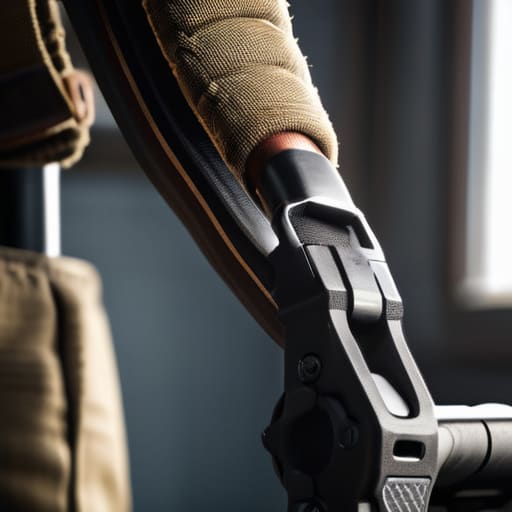
I’ve spent twenty years standing on the firing line, and if there is one thing that gets under my skin, it’s seeing a shooter spend five hundred dollars on a high-tech tactical sling only to use it like a piece of decorative ribbon. People think they need some specialized, heavy-duty webbing to fix their grouping, but they’re missing the point entirely. Most of the guys I see struggling aren’t failing because of their gear; they’re failing because they haven’t actually learned how to use a sling for support in a way that creates tension rather than just adding weight. A sling shouldn’t be something you just wear; it should be an extension of your skeletal structure.
I’m not here to sell you on the latest overpriced nylon weave or some complicated military maneuver you’ll never use at the club. My goal is to strip this down to the fundamentals of tension and placement. I’m going to show you the exact, unglamorous adjustments that turn a loose strap into a stable platform, ensuring your rifle stays steady when you actually need it to. We’re going to focus on the mechanics that work, regardless of what’s in your wallet.
Finding Your Center With Proper Sling Tension Adjustment
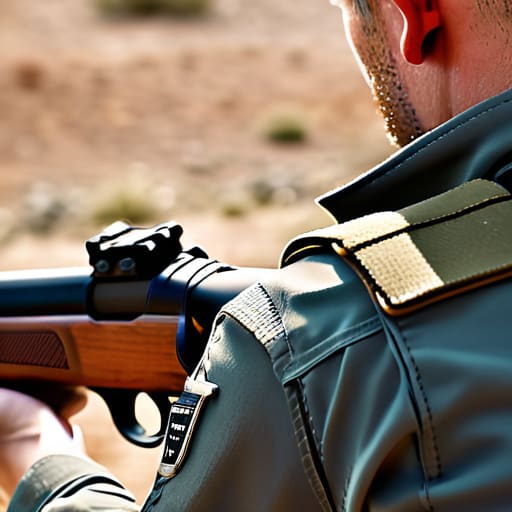
Once you’ve got the sling on, you can’t just leave it loose like a piece of laundry. If there’s too much slack, you’re fighting the rifle instead of letting the gear work for you. I’ve seen plenty of folks try to muscle a heavy service rifle through a course of fire, only to realize they’ve made their job twice as hard by neglecting proper sling tension adjustment. You want that tension to be firm enough to pull the buttstock into your pocket, but not so tight that it knocks you off balance. It’s about creating a closed loop between your body and the firearm.
The goal here is sling support for shoulder stability. When you pull that tension tight, the weight of the rifle should transfer through the sling and into your skeletal structure, rather than hanging entirely off your biceps and deltoids. If you find yourself shrugging your shoulder up toward your ear just to keep the rifle steady, your adjustment is wrong. Tighten it up until the rifle feels like an extension of your frame, not a weight you’re trying to balance on a tray.
The Real Secret to Sling Support for Shoulder Stability
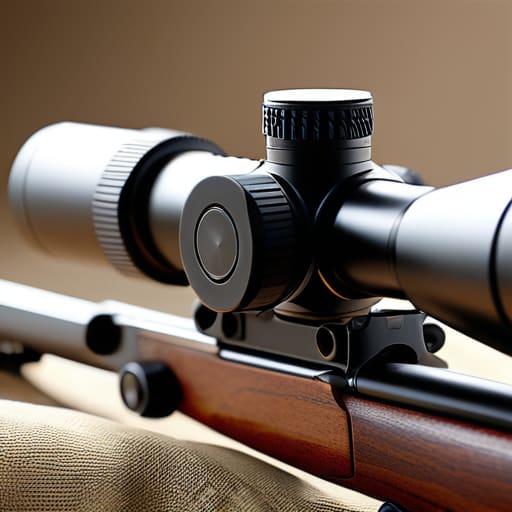
Most people think a sling is just a way to hang a rifle around their neck so their arms don’t get tired. That’s a mistake. If you’re looking for actual sling support for shoulder stability, you have to stop thinking about the sling as a strap and start thinking about it as a structural extension of your skeletal system. When you pull that tension tight, you aren’t just holding the gun; you are locking your elbow into your shoulder girdle. This creates a solid tripod between your shoulder, your elbow, and the rifle, which takes the weight off those small, twitchy stabilizer muscles that usually start failing you after ten minutes of prone shooting.
The trick is in the mechanical connection. You want the tension to be firm enough that the rifle feels like it’s part of your body, but not so tight that you’re fighting the gear to stay steady. If you get the tension wrong, you’ll actually induce tremors instead of stopping them. I’ve seen plenty of shooters try to compensate for a loose sling by tensing their neck and upper traps, and that’s a fast track to a headache and a sloppy grouping. You want the load distributed through the bone, not the muscle.
Five Things Most Folks Forget When They Tighten the Strap
- Stop treating the sling like a backpack strap. It’s a tension tool, not a way to carry your gear. If it’s loose enough to slide down your arm while you’re aiming, it isn’t doing a lick of work for you.
- Watch your skin. I’ve seen plenty of new shooters pull a sling so tight it cuts off circulation or pinches the meat of their arm. You want tension, not a tourniquet; find that middle ground where the rifle stays put but your hand doesn’t go numb by the second magazine.
- Mind the hardware. Check your sliders and buckles before you get downrange. I’ve watched guys try to adjust their tension mid-string because a cheap plastic buckle gave way, and that’s a quick way to lose your rhythm and your grouping.
- Don’t forget the “pull.” A sling only works if you’re actively using it to create a tripod between your body and the rifle. If you aren’t pulling back against the strap to seat that buttstock into your pocket, you’re just wearing a piece of nylon.
- The “No-Go” check. Before you even think about breaking that top cover, make sure your sling isn’t snagged on a piece of gear or your clothing. I’ve seen enough awkward transitions to know that a snagged sling leads to a distracted shooter, and distraction is where the mistakes live.
The Bottom Line on Sling Support
A sling isn’t just a way to carry your rifle; if it isn’t tight and positioned exactly where you need it, you’re just carrying dead weight.
Stop treating the tension like an afterthought—get that center of gravity set before you even think about looking through the glass.
Stability comes from the connection between the gear and your body, not from how hard you can squeeze the grip.
Getting It Right Every Time
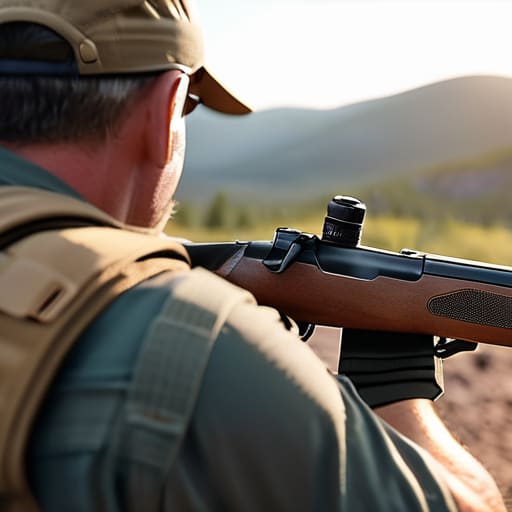
At the end of the day, using a sling for support isn’t some magic trick you pull out when you’re tired or running low on ammo. It’s about the mechanics—finding that tension that pulls the rifle into your shoulder pocket and using your body as a stable tripod rather than just a passenger. If you aren’t adjusting that tension to match your stance, or if you’re letting the sling hang loose and useless, you’re essentially fighting your own equipment. Remember, the goal is to eliminate the human wobble by making the rifle an extension of your frame. It takes a bit of practice to get the tension exactly where it needs to be, but once you find that sweet spot, you won’t want to go back to shooting unsupported.
I’ve spent twenty years watching folks walk down the range, and the ones who truly excel are the ones who respect the small, unglamorous details. They don’t just slap a strap on; they master the interface between their gear and their body. Don’t get discouraged if your first few attempts feel awkward or if the sling feels like it’s working against you. Just slow down, check your tension, and rebuild the habit from the ground up. Shooting well isn’t about having the most expensive optics; it’s about having the discipline to do the fundamentals correctly, every single time you step onto the line.
Frequently Asked Questions
Does using a tight sling actually mess with my ability to transition between targets quickly?
It can, if you’re overdoing it. I’ve seen shooters cinch that sling so tight they’re fighting the rifle just to move it. If you’re wrestling your gear, you aren’t shooting; you’re wrestling. A sling should be a tool for stability, not a tourniquet. You want enough tension to seat the buttstock, but enough slack to pivot. If you can’t snap to a new target without a struggle, you’ve tightened it too far.
What's the best way to keep the sling from sliding around on a textured stock or a jacket?
If you’re fighting a sling that wants to migrate every time you settle into a shot, stop looking for a better strap and start looking at your tension. On a textured stock or a heavy jacket, you need to use the sling to create a closed loop of pressure. Don’t just let it rest there; pull it tight enough that the friction does the work for you. If it’s still sliding, check your hardware—loose sliders are the first thing to go.
If I'm shooting a heavier rifle, should I be focusing more on the tension in the sling or the placement of my support hand?
When you’re dealing with a heavier rifle, you don’t choose one over the other; you use the sling to do the heavy lifting so your support hand can stay steady. If you’re fighting the weight with your hand, you’re going to fatigue and pull your shots. Crank that tension up to marry the rifle to your body. Let the sling manage the mass, and let your support hand just guide the aim.




