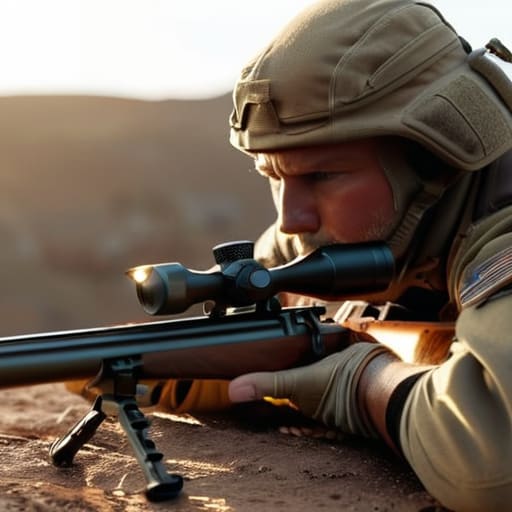
I’ve spent twenty years standing on the edge of the firing line, and if there is one thing I’ve learned, it’s that people spend way too much money on high-tech bipods and fancy shooting mats before they even understand the basics of how to shoot prone correctly. I see it every Saturday: a shooter spends three hundred dollars on gear, flops down onto the dirt, and then wonders why their groups look like a shotgun pattern. They think stability comes from the equipment, but they’re wrong. Real stability isn’t bought in a catalog; it’s built into your skeletal structure and the way you settle into the ground.
I’m not here to sell you a new piece of kit or give you some polished, theoretical lecture that sounds good in a classroom but fails in the mud. What I’m going to give you is the unglamorous truth about bone support and weight distribution—the kind of mechanical fundamentals that actually keep your rifle steady when the wind starts kicking up. We’re going to skip the fluff and focus on the repeatable habits that turn a shaky mess into a solid platform. If you get the foundation right, the accuracy will take care of itself.
Mastering Shooting Stance and Body Alignment for Stability
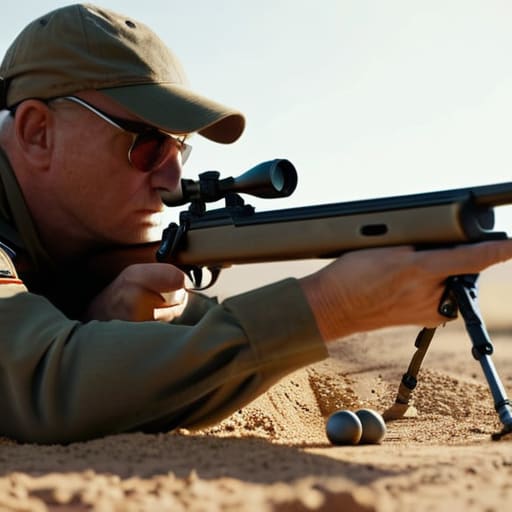
Most people think being prone is just about lying flat, but if you just flop onto the dirt, you’re going to fight your own body for every single shot. To get real results, you need to focus on shooting stance and body alignment before you even think about looking through the glass. I’ve seen plenty of shooters try to muscle the rifle into place, but you want your skeleton doing the heavy lifting, not your biceps. Aim to get your torso slightly offset from the centerline of the rifle; if you’re perfectly symmetrical, the recoil is going to kick you sideways like a mule.
Once you’ve got your belly settled, pay attention to your legs. Don’t just let them sprawl; spread them wide and plant your feet firmly to create a stable tripod with your torso. This is a core part of improving stability in prone position because it gives you a solid base to absorb the punch of the rifle. If your legs are twitching or your hips are uneven, you’ll never achieve the consistency needed for long-range work. Get your weight distributed, get your bones settled, and let the rifle sit into you.
The Unseen Discipline of Minimizing Rifle Movement
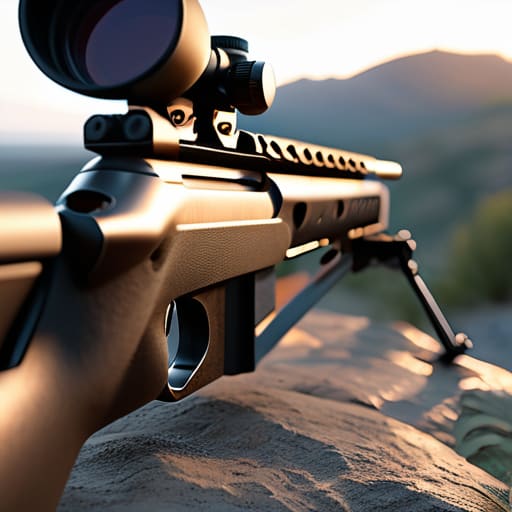
Once you’ve got your bones settled, the next thing most folks trip over is the “micro-movement.” You’ll see it all the time on a Saturday morning: a shooter gets a decent position, but then they start fighting the rifle. They try to muscle the shot, or they’re constantly adjusting their grip because they aren’t actually resting the weight. If you’re using your biceps to hold the rifle steady, you’ve already lost. Real minimizing rifle movement comes from letting the hard surfaces—the ground, the tripod, or the bipod—take the load. Your job isn’t to hold the gun; your job is to stay out of its way.
This is where the real precision rifle shooting fundamentals separate the hobbyists from the people who actually hit what they’re aiming at. I tell my students to think about “passive stability.” You want to create a solid, unmoving platform where the rifle feels like an extension of the earth itself. If you feel yourself tensing up, you’re probably trying to compensate for a bad setup. Stop, reset, and find that bone-on-surface contact again. Let the gear do the heavy lifting.
Five Habits for a Solid Prone Position
- Stop fighting the ground. You aren’t trying to hover; you’re trying to become part of the terrain. Get your chest low and your pelvis settled so you aren’t using your core muscles to hold yourself up. If you’re shaking, you’re working too hard.
- Watch your elbow placement. I see people splay them out wide like they’re trying to keep balance on a tightrope. That’s wasted energy. Tuck them in or find that solid anchor point that lets the bones take the weight, not your triceps.
- Check your breathing before you even think about the trigger. If you’re huffing and puffing from walking up to the line, you’ve already lost. Get your rhythm down, find that natural respiratory pause, and stay there.
- Don’t neglect your rear support. A wobbling bag or a pile of loose clothes is just as bad as a bad stance. Your support should be a steady platform, not a shifting sand dune. If it moves when you breathe, it’s not doing its job.
- Mind your cheek weld. It isn’t a suggestion; it’s a requirement. If you’re lifting your head to find the sights, you’re changing your eye relief every single time you pull the trigger. Get that consistent contact and keep it.
The Three Essentials of a Solid Prone Position
Stop fighting the ground; settle your bones into the earth and let your skeletal structure take the weight so your muscles aren’t doing all the heavy lifting.
Control your breathing before it controls you, finding that steady rhythm that keeps your sight picture from dancing every time you take a breath.
Treat your stability like a habit, not a feeling, by ensuring your support points are consistent every single time you drop down.
The Discipline of the Ground
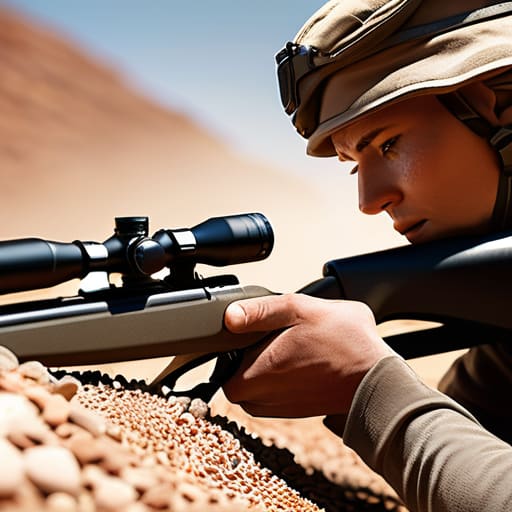
At the end of the day, shooting prone isn’t about how much gear you can pile under your chest or how fancy your bipod is. It comes down to the basics we’ve talked about: getting your bones settled into the dirt, aligning your body so the rifle isn’t fighting your skeleton, and finding that stillness that comes from a controlled breathing pattern. If you’re fighting your own muscles to stay steady, you’ve already lost the shot. Remember, the goal is to make the rifle an extension of your frame, not something you’re trying to hold up with sheer willpower. Stability is earned through repetition, not found by accident.
I’ve spent twenty years watching people rush through their fundamentals just to get to the “fun” part of pulling the trigger. But the real skill—the kind that separates a hobbyist from a marksman—is found in the quiet, unglamorous work of perfecting your position. Don’t be discouraged if your first few attempts feel awkward or if your shoulder aches after a few rounds. That’s just part of the process. If you focus on the mechanics of the position rather than just the target, the groups will tighten up on their own. Get the foundation right, and the rest is just business as usual.
Frequently Asked Questions
How do I stop my rifle from jumping or shifting when I'm shooting on uneven or soft ground?
If the ground is soft or uneven, you can’t rely on the earth to hold you steady. Stop trying to fight the slope with your muscles; you’ll just tire out and start twitching. Instead, use your gear. Pack out some firm sandbags or even a heavy jacket to create a level platform. You want to build a stable foundation that bridges the gaps in the terrain. Get your weight settled into that platform first.
What should I do about my breathing if I'm feeling winded or uncomfortable lying down for a long period?
If you’re winded, stop. Don’t try to fight through it; that’s how you start pulling shots and losing your discipline. If the position is crushing your chest, adjust your ribcage or shift your weight slightly to open things up. I’ve seen plenty of shooters try to hold their breath until they turn red just to stay still—that’s a mistake. Take a natural breath, let it out halfway, and settle. If you can’t breathe, you can’t shoot.
How can I tell if I'm actually using my bones for support instead of just tensing up my muscles?
The easiest way to tell is to look at your hands and your breathing. If your fingers are white-knuckled or your grip looks like you’re trying to choke the life out of the stock, you’re working too hard. When you’re actually using your skeletal structure, your hands should feel light, almost casual. If you find yourself holding your breath just to stay still, you’re tensing up. True stability feels quiet, not strained.




