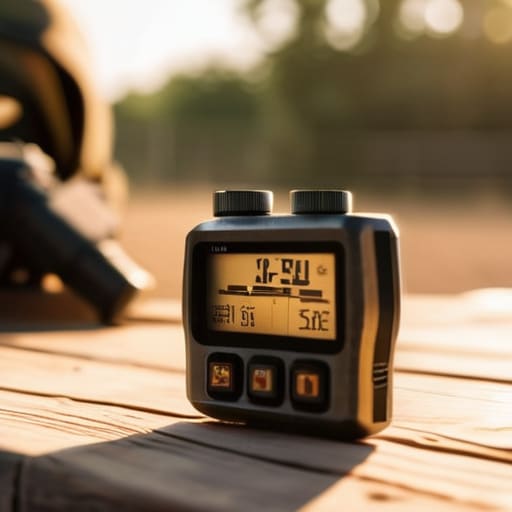
I’ve spent twenty years standing on the line, and if there’s one thing I’ve learned, it’s that people love to turn simple tools into complicated rituals. I see shooters walk onto the range with high-end, programmable timers, spending twenty minutes fiddling with settings and digital menus like they’re trying to launch a satellite. They think the gear makes the speed, but they end up so distracted by the electronics that they forget the most basic rule: staying safe while you’re moving. Learning how to use a shot timer isn’t about mastering a piece of software or buying the most expensive unit on the market; it’s about integrating that beep into your discipline without letting the tech become a distraction from your fundamentals.
I’m not here to give you a manual on every button and menu option. Instead, I want to talk about the practical, unglamorous side of training—the stuff that actually makes you a better shooter when the pressure is on. I’m going to show you how to set up your drills, how to position yourself so you don’t blow a eardrum, and how to ensure the timer is a tool for improvement rather than a source of chaos. We’re going to do this the right way, focusing on the habits that keep you sharp and, more importantly, safe.
Mastering Shot Timer Settings Explained for Real Results
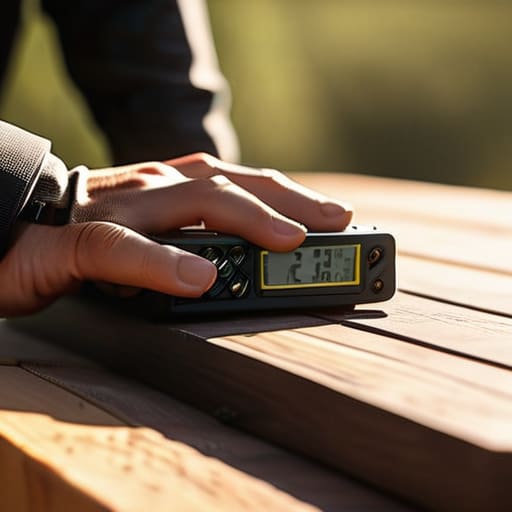
Most folks grab a timer, hit start, and think they’re training. But if you aren’t dialing in your settings, you’re just making noise. When I’m working with a student, I tell them the timer is a tool for measurement, not a magic wand. If you’re working on improving reaction time, you need to understand the difference between a par time and a simple stage timer. A par time gives you a target to beat, forcing you to move with purpose rather than just reacting to the beep. Without that structure, you aren’t actually training; you’re just shooting fast and hoping for the best.
For those focusing on dry fire practice with timer, the settings become even more critical. You don’t need a loud blast in your living room, but you do need a consistent rhythm. I always suggest setting a generous delay between shots when you’re first learning a new movement. If you rush the settings before you’ve mastered the fundamentals, you’ll end up building bad habits that are a pain to break later. Slow is smooth, and smooth is fast—that applies to your timer settings just as much as your trigger press.
Improving Reaction Time Through Measured Repetition
Most folks think a timer is just there to make them go faster, but if you’re just rushing to beat the beep, you’re just practicing how to be sloppy. I’ve seen plenty of shooters try to force a faster pace before they’ve even mastered their grip, and that’s when the groups start opening up. True improving reaction time isn’t about moving your hands like a hummingbird; it’s about reducing the wasted motion between the signal and the shot. You want to find that sweet spot where your movement is economical and your eyes are already looking at the target before the timer even finishes its cycle.
I always tell my students to start with dry fire practice with timer before they ever load a single round. It takes the pressure of recoil out of the equation so you can focus entirely on your mechanics. If you can’t hit a precise point on a wall while working against a beep in your living room, you sure as hell aren’t going to do it reliably on the range. Use the device to find your rhythm, not just your top speed. Once the movement becomes subconscious, then—and only then—do you start adding the live fire.
The Boring Stuff That Keeps You From Getting Shot
- Clear the line before you even think about turning the power on. I’ve seen enough people get distracted by a setting on the timer and forget they’re still holding a live round. If the timer is in your hand, your firearm should be empty, on the bench, and pointed in a safe direction. Period.
- Establish a clear, verbal command rhythm. A shot timer isn’t a magic box that makes you faster; it’s a tool that requires a protocol. You need a “Load and Make Ready” command that is distinct from the “Standby” and the “Beep.” If you’re training someone else, they need to hear your voice before they hear the electronics.
- Manage your par times like you manage your tool maintenance—with discipline. Don’t set a timer for a split you can’t hit consistently. If you’re chasing a sub-second split before you’ve mastered a clean draw, you’re just practicing how to be fast and sloppy, and that’s how mistakes happen.
- Watch your muzzle during the reset. When that beep goes off, the adrenaline kicks in and people tend to whip the gun around to find their target. I’ve spent twenty years watching people swing their barrels toward the person standing next to them because they were too focused on the clock. Keep that muzzle indexed where it belongs, even when you’re rushing.
- Use the timer to find your breaks, not just your speed. If you notice your times are getting faster but your grouping is opening up, the timer is telling you that your technique is failing. A shot timer is a diagnostic tool, not a scoreboard. Use the data to see where your mechanics are breaking down under pressure.
The Discipline of the Timer
Treat the timer like a range officer, not a toy; if you aren’t following a strict, repeatable procedure, you aren’t training, you’re just making noise.
Safety checks don’t pause when the beep happens; your muzzle discipline and finger placement must remain constant through the entire drill, regardless of the pressure.
Data is only useful if it’s consistent; focus on the quality of your repetitions and your ability to reset properly rather than chasing a single fast time that came from a sloppy draw.
The Discipline of the Click
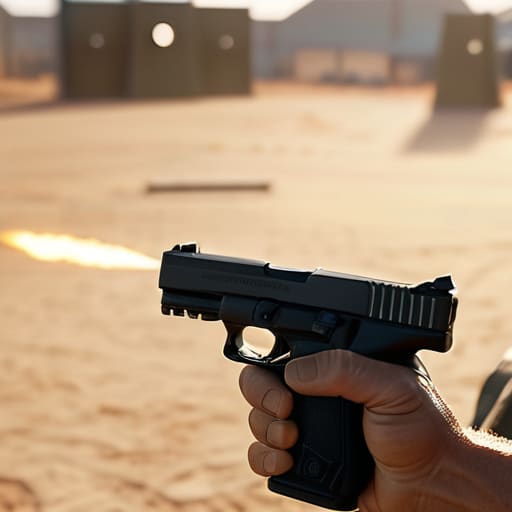
At the end of the day, a shot timer is just a piece of plastic and circuitry until you apply some discipline to it. We’ve talked about getting your settings dialed in so the data actually means something, and we’ve covered why you need to focus on measured repetition rather than just frantic speed. If you’re just chasing a faster time without checking your fundamentals, you aren’t getting better; you’re just getting faster at being sloppy. Remember to stage your gear, respect the par times, and most importantly, never let the pursuit of a better split override your situational awareness.
I’ve stood on the line for twenty years, and I can tell you that the shooters who eventually master this sport aren’t the ones who treat the timer like a video game. They are the ones who treat it like a tool for self-correction. It’s easy to get frustrated when the numbers don’t move, but progress in this game is built on the boring, repetitive work done when no one is watching. Use the timer to find your flaws, fix them, and then do it all over again. If you respect the process, the results will eventually take care of themselves.
Frequently Asked Questions
How do I stop myself from flinching or "anticipating" the beep when I'm running drills?
That flinch usually comes from your brain trying to outrun the sound. You’re bracing for the bang before it actually happens. To fix it, stop focusing on the beep and start focusing on your trigger press. I tell folks to treat the timer like a stranger tapping them on the shoulder—it’s just a cue, not a starting gun. Slow your cadence down. If you’re rushing the reset, you’re inviting the anticipation. Focus on the rhythm, not the noise.
Is it actually safe to use a timer when I'm practicing with a group, or should I only use it when I'm alone on the line?
It’s safe, provided you treat the timer like any other range command. The danger isn’t the device; it’s the distraction. When that beep goes off, people tend to tunnel vision. If you’re with a group, you need a designated safety officer—or a very disciplined friend—who isn’t focused on their own stage. Make sure everyone knows the timer isn’t a “fire” command. Establish the rhythm, clear the line, and keep the focus on the procedure.
What's the best way to set up a drill so I'm actually measuring my speed and not just my ability to react to a loud noise?
If you’re just reacting to the beep, you aren’t training; you’re flinching. To actually measure speed, you need to build a repeatable process. Start with a “draw and prep” drill where the timer triggers your movement, but the clock doesn’t stop until your first shot breaks. Don’t just chase a faster time; chase a consistent rhythm. If your grip or stance changes because you’re rushing, you’re just practicing how to be fast and sloppy.




