I watched a kid last Saturday spend three hundred dollars on a high-speed reloading press and a set of fancy dies, thinking that gear was going to make him a marksman. He sat there at the bench, staring at his brass like it was some kind of magic trick, but his hands were shaking and his rhythm was all wrong. The truth is, most people get caught up in the hardware and completely forget the actual mechanics of how to practise reloads in a way that builds real muscle memory. You don’t need a titanium reloading station to get better; you need the discipline to do the boring stuff correctly when nobody is watching.
I’m not here to sell you on some expensive setup or a “secret” technique you found in a glossy magazine. I want to talk about the unseen discipline of the reload—the repetitive, almost meditative work you do at your kitchen table with dummy rounds until your hands know the way without your brain having to intervene. I’m going to show you how to build those habits so that when you’re actually on the line, your movements are smooth, deliberate, and reliable.
Mastering Muscle Memory for Shooters Through Repetition
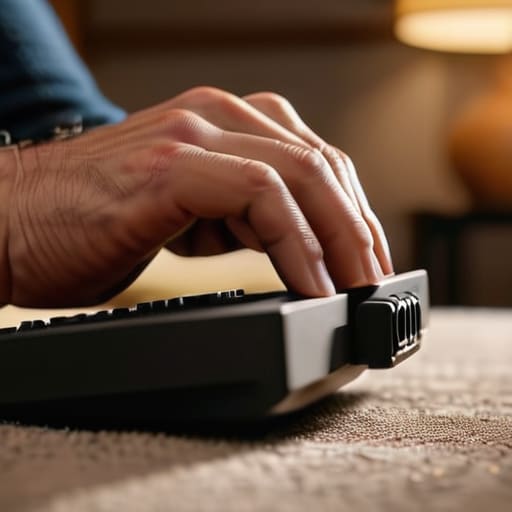
You can’t expect your hands to behave differently just because the pressure is on at the range. If you only work on your transitions when there’s smoke in the air and a timer running, you’re setting yourself up for a mistake. Real firearms handling proficiency isn’t born in the heat of a drill; it’s built in your living room, on your couch, or even while you’re watching the news. You need to be doing these movements when your heart rate is sitting at sixty beats per minute.
I always tell my students that the goal isn’t just moving fast—it’s moving without thinking. That’s where muscle memory for shooters actually comes from. You want to run through your emergency reload drills until the movement is as natural as tying your shoes. If you have to look down to find your mag well or fumble with the release, you haven’t done the work yet. Use some dummy rounds and focus on the tactile feel of the metal. If you can’t do it perfectly while you’re distracted, you won’t do it when it matters.
Tactical Magazine Manipulation You Can Do in Your Sleep

Most folks think a reload is just a matter of swapping one piece of metal for another, but they forget about the transition. If you’re fumbling with your magazine release or trying to find the floor of the mag well with your fresh stick, you’ve already lost the rhythm. I tell my students that tactical magazine manipulation isn’t about moving fast; it’s about moving with intent. You need to know exactly where that magazine sits in your hand before you even touch the release. If you have to look down to see what your fingers are doing, you aren’t ready for a real-world scenario.
I like to see people working on their emergency reload drills in a controlled environment, away from the noise of the range. Grab a few dummy rounds and practice the “slap and drive” method—hitting the base of the magazine to seat it firmly while your other hand is already prepping the next one. This isn’t about a sprint; it’s about developing the firearms handling proficiency that keeps you from freezing when the pressure is on. Do it until the movement feels as boring as brushing your teeth.
The Small Things That Keep You From Fumbling
- Stop using live ammo for your home drills. It’s a bad habit that leads to a nervous twitch when you’re actually on the line. Get yourself a bag of dummy rounds—snap caps, whatever—and run your drills in your living room. If you can’t do it while watching the news, you won’t do it when the adrenaline hits.
- Focus on the eyes, not just the hands. A lot of guys get so caught up staring at the magazine well that they lose their situational awareness. Practice bringing the mag into the well while keeping your eyes up and scanning. You want to feel the seat of that magazine, not hunt for it with your gaze.
- Don’t neglect the “malfunction clear” part of the drill. A reload is useless if you can’t get to it after a stovepipe or a failure to feed. Integrate a tap-rack-reset into your practice. If you only practice clean reloads, you’re only practicing half the job.
- Watch your grip pressure during the transition. I see it all the time—a shooter slams a fresh magazine in, but they’ve lost their master grip in the process. Your reload should be a seamless part of your shooting stance, not a moment where you completely let go of the firearm’s control.
- Slow is smooth, and smooth is fast. I know, I know—everyone wants to be fast. But if you’re slamming magazines and dropping brass because you’re rushing, you’re just practicing how to be sloppy. Do the drill at a walking pace. Get every movement precise and deliberate. The speed will come naturally once the mechanics are locked in.
The Bottom Line on Reloading Discipline
Stop treating reload drills like a sprint; if you’re fumbling the magazine or slapping the bolt because you’re rushing, you aren’t practicing speed, you’re practicing mistakes.
Use dummy rounds at your workbench to build the muscle memory in a low-stress environment so that when the timer starts or the pressure is on, your hands don’t have to think.
Real proficiency isn’t about how fast you can slam a mag in, it’s about the seamless, repeatable rhythm that ensures the brass is seated and the chamber is clear every single time.
The Discipline of the Dry Drill
At the end of the day, practicing your reloads isn’t about shaving off a tenth of a second to win a trophy; it’s about ensuring that when the pressure is on, your hands don’t start making decisions your brain hasn’t authorized. We’ve talked about the necessity of building that unconscious muscle memory and the importance of mastering magazine manipulation until it’s as natural as breathing. Whether you are using dummy rounds at your workbench or running through drills in your living room, the goal remains the same: removing the variables. You want to move from thinking about the mechanics to simply executing the movement, turning a complex sequence into a reliable, singular habit that functions even when your heart rate is climbing.
I’ve stood on the line for twenty years, and I can tell you that the shooters who impress me aren’t always the fastest—they are the ones who are most consistent. There is a quiet dignity in the unglamorous work of repetitive, dry-fire practice. It’s easy to show off when everything is going right at the range, but the real test is what happens when things go wrong. If you commit to these drills now, you aren’t just practicing a skill; you are investing in your own reliability. Do the work when nobody is watching, so that when you finally step up to the line, you can stop worrying about your gear and actually focus on the shot.
Frequently Asked Questions
Should I be practicing my reloads with live ammunition or stick strictly to dummy rounds and snap caps?
Stick to the snap caps. I’ve seen too many folks try to “speed up” their practice with live brass, only to end up with a loaded gun pointed at something they shouldn’t be when they get distracted. If you’re practicing the mechanics, you don’t need powder and primers. Use dummy rounds until the movement is boringly consistent. Once it’s muscle memory, then—and only then—do you bring the real stuff to the range.
How often am I actually doing this too much—is there a point where I'm just practicing bad form through sheer repetition?
You hit the nail on the head. If you’re drilling a sloppy grip or a thumb that catches the slide, you aren’t building skill; you’re building a scar. You’re just making it harder to unlearn that mistake later. Stop the moment you feel yourself rushing or getting “sloppy-fast.” Slow down. Do it right five times in a row before you try to do it fast once. Quality always beats quantity on my line.
Do I need to practice the same drill for every different platform I own, or can I build a single set of universal habits?
You’ll build a foundation of universal habits, but you can’t ignore the mechanics of the tool in your hands. The “feel” of a reload—the way a bolt locks or a mag releases—changes with every platform. I tell people to learn the universal rhythm of the movement first, but then you have to drill the specifics. If you treat a bolt-action like a semi-auto, you’re going to have a bad day. Practice the platform, not just the concept.




