
I’ve stood on the line for twenty years, and I’ve seen plenty of shooters treat the RO’s words like background noise while they’re busy mentally rehearsing their draw stroke. They think they’ve got it figured out, but then they hit a foot fault or, worse, a safety violation because they weren’t actually listening. Most people think knowing how to read a stage briefing means memorizing the targets, but that’s a mistake that’ll cost you more than just a penalty. It’s not about the shooting; it’s about identifying the traps the RO is trying to warn you about before you ever step into the box.
I’m not here to give you some high-speed, low-drag tactical lecture. What I want to do is show you the unglamorous, procedural way to process information so you don’t end up making a mistake when the timer starts. I’ll walk you through the specific details you need to hunt for—the stuff most people miss—and how to build a mental map that actually sticks. If you get the mental groundwork right, the shooting part usually takes care of itself.
Briefing Session Preparation Doing the Homework Before You Step Up
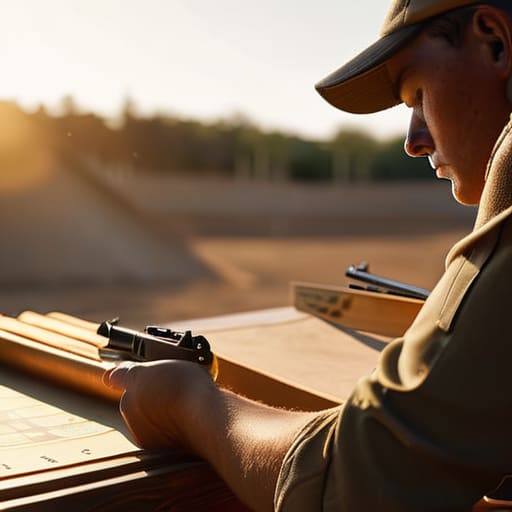
Most folks think the work starts when the Range Officer stands in front of the group, but if you’re waiting until that moment to start thinking, you’ve already lost the stage. Real briefing session preparation happens while you’re still sitting in your chair or standing by the berm. I’ve seen plenty of shooters walk up to the line looking like deer in headlights because they didn’t take the time to review the match manual beforehand. You need to spend those quiet minutes understanding competition regulations and knowing exactly what the match director expects from you before the first shot is even fired.
I always tell my students to treat the paperwork like a blueprint. If you don’t know the specific constraints of the course, you’re just guessing. Take a moment to look over the stage diagrams or any provided maps; you want to be clarifying competition rules in your own head before the official briefing even begins. If you walk up to the line already knowing the general flow and the penalty zones, you can actually listen to the RO instead of just frantically trying to figure out where you’re allowed to stand.
Clarifying Competition Rules to Avoid Costly Mistakes
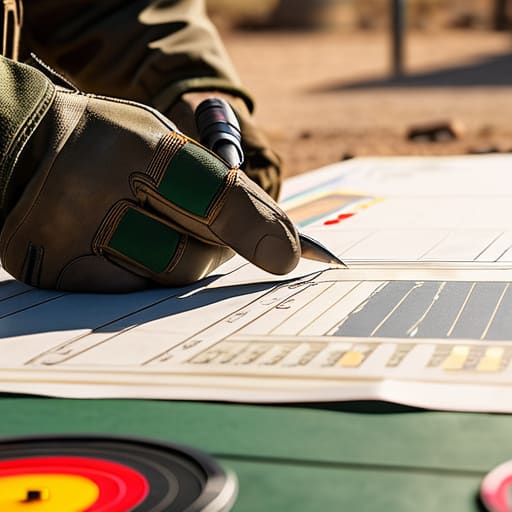
Once you’ve got the layout down, you need to make sure you aren’t just guessing at how the points are tallied. I’ve seen plenty of shooters run a perfect stage only to realize they were interpreting scoring criteria all wrong. Maybe you thought a certain zone was a five-pointer, but it’s actually a zero. If you aren’t sure, ask. There is no shame in asking for a clarification during the briefing; the only real shame is shooting a high-speed mistake because you were too proud to speak up.
When you’re clarifying competition rules, don’t just listen for the “how” of the movement, listen for the “why” of the penalties. Is there a specific way you have to exit a barricade, or a certain way a reload must be completed to count? I always tell my students to treat the rules like a technical manual for a machine. If a part doesn’t fit the spec, the whole thing fails. Get the rules straight in your head before you ever touch your gear, and you won’t find yourself staring at a scorecard wondering where your match went sideways.
Five Things to Look for While the RO is Talking
- Watch the feet, not just the targets. A stage briefing tells you where to stand, but it’s the footing that usually trips people up. If the RO mentions a berm, a ditch, or a patch of loose gravel, mark that in your head immediately. You don’t want to be thinking about where to step when you’re trying to manage a recoil impulse.
- Listen for the “no-go” zones. Every stage has a line you can’t cross or a position that’s off-limits. I’ve seen plenty of folks get a penalty—or worse, a safety violation—because they thought they could squeeze an extra inch of advantage out of a position that wasn’t actually theirs to take.
- Identify your reload points before you need them. Don’t wait until you’re running low on brass to realize you’re standing in a spot that makes a reload awkward or dangerous. Listen for the transitions; if the stage requires a movement between shots, figure out exactly where that movement happens during the briefing.
- Hunt for the “gotchas” in the scoring. Is it Comstock or procedural penalties? Is there a specific way you have to present the firearm to the RO at the end of the stage? If the briefing mentions a specific way to exit the stage or a specific command to stop, pay attention. That’s the difference between a clean run and a headache.
- Visualize the movement, not just the shooting. Most people listen to a briefing like they’re watching a slideshow, but you need to play it like a movie in your head. As the RO describes the sequence, walk through it mentally. If there’s a gap in the logic—like a movement that seems too fast or a position that looks unstable—that’s your cue to speak up and ask.
The Bottom Line Before You Step to the Line
Treat the briefing like a technical manual, not a casual conversation; if you don’t understand a movement or a boundary, you don’t move until you do.
Listen for the “no-go” zones and the penalty triggers, because a missed footing error or a finger on a trigger too early will cost you more than just points.
Visualize the entire stage while the RO is talking, mapping out your movement in your head so that when the timer starts, your brain is focused on execution rather than figuring out where to stand.
The Briefing Ends, the Work Begins
At the end of the day, reading a stage briefing isn’t about memorizing a list of targets or finding the fastest path to a buzzer. It’s about closing the gaps in your mental model before you ever touch your gear. You do your homework early, you ask the questions that feel “stupid” while you’re still standing in the circle, and you make sure you actually understand the rules of engagement rather than just assuming you do. If you leave that briefing feeling like you’re guessing, you haven’t finished the job. Preparation is a process, not a single moment of listening.
I’ve spent twenty years watching people rush onto the line with nothing but adrenaline and a prayer, and frankly, that’s how mistakes happen. The shooters who stay calm and consistent are the ones who treat the briefing with the same respect they treat their equipment. Take the time to visualize the movement, respect the constraints, and settle into your procedure. When you get the unglamorous stuff right—the mental prep, the rule checking, the slow breathing—the actual shooting becomes the easy part. Do the work before the timer starts, and the rest will take care of itself.
Frequently Asked Questions
What should I do if I realize halfway through a stage that I completely misunderstood a specific rule from the briefing?
Stop. Just stop. If you realize you’re breaking a rule mid-stage, don’t try to “fix” it while moving. That’s how people get penalized or, worse, run into a safety issue. Set the gun down, holster it or place it in a safe position, and signal a range officer. It’s better to take the penalty for a procedural error than to finish a stage incorrectly and realize you’ve wasted everyone’s time.
How do I keep track of all the technical details in a briefing without just staring blankly at the RO?
Don’t try to memorize it like a school test; treat it like a machining blueprint. Carry a small notebook and a pencil. When the RO mentions a specific penalty or a weirdly placed barricade, write it down. If you’re staring blankly, you’re already losing the stage. Visualizing the movement while you scribble those details helps the brain lock in the sequence. A quick note on your hand or a notepad beats a mental blank when the timer goes beep.
If the briefing is moving too fast or I missed a detail, is it considered bad form to interrupt the group to ask for clarification?
It’s not bad form; it’s responsible. If you’re lost, someone else is too, and they’re probably too nervous to speak up. If the match director is moving at a clip, just wait for a natural pause or a breath, then ask. I’d much rather spend thirty seconds clarifying a footing issue or a loading procedure now than spend twenty minutes cleaning up a penalty or a safety violation later. Ask the question.




