
I spent twenty years watching people rush to buy the latest high-tech, biometric, touchscreen safe, only to realize they have no idea what’s actually happening inside the steel box. People think a heavy door is a substitute for a disciplined routine, but a fancy lock won’t stop a rusted firing pin or a degraded seal from ruining a good piece of iron. If you aren’t learning how to audit your own storage every year, you aren’t actually managing your gear; you’re just hoping it stays functional. I’ve seen enough “ready-to-go” setups turn into expensive paperweights because someone skipped the unglamorous work of a manual inspection.
I’m not here to sell you on a new brand of humidity controller or a modular shelving system. What I want to do is show you how to pull everything out, wipe the dust off, and look at your collection with a critical eye. I’m going to walk you through the exact, methodical process I use in my own shop to ensure every bolt, every rag, and every container is doing its job. We’re going to focus on the real work: the checks nobody watches you do, so that when you finally head to the range, the shooting is the only thing you have to worry about.
Mastering Inventory Management Techniques for Your Gear
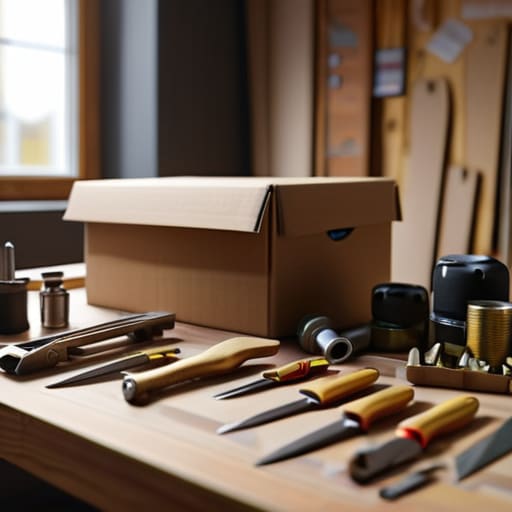
When it comes to the actual process, don’t overcomplicate it. You aren’t running a warehouse, but you should treat your gear like you would a machine shop. I’ve found that the best way to start is by adopting a specific decluttering mindset and habits approach. If you haven’t touched a piece of kit, a specific cleaning solvent, or a box of old brass in three years, it’s likely just taking up space and gathering dust. Get it out of your way. You want to move toward a system where every single item has a dedicated home, which prevents that frantic, half-cocked search for a specific tool when you’re halfway through a cleaning session.
I’m a big believer in using simple inventory management techniques rather than fancy, expensive gadgets. Grab a notebook or a basic spreadsheet and list what you actually have. Group things by function: maintenance supplies, ammunition, optics, and long guns. If you’re working with a tight cabinet or a small safe, focus on maximizing small space storage by using vertical dividers or clear, labeled bins. If you can’t see it, you’ll eventually forget it’s there—or worse, you’ll buy a duplicate because you thought you were out.
Building Better Decluttering Mindset and Habits
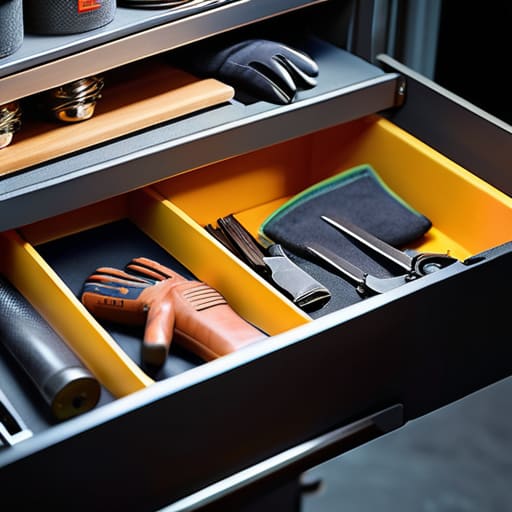
Most people approach cleaning out a gun safe or a storage cabinet like they’re cleaning out a garage—they just move the junk from one pile to another. That’s not what I’m talking about. To do this right, you need to develop a proper decluttering mindset and habits that prioritize function over sentimentality. If you have a drawer full of mismatched cleaning patches, old CLP bottles that have separated, or parts for a project you abandoned in 2012, it’s just taking up “mental bandwidth.” When you’re looking for a specific tool in a hurry, you don’t want to be digging through scrap.
I tell my students that your gear should serve you, not the other way around. If a piece of equipment hasn’t been serviced in three years or it’s sitting in a corner collecting dust because you “might use it someday,” it’s time to let it go or move it to long-term storage. Building better decluttering organization systems means being honest about what you actually use. If you aren’t willing to maintain it, you shouldn’t be storing it. Keep the essentials accessible and get the rest out of your way.
Five Ways to Make Sure Your Gear Isn't Working Against You
- Check your brass for more than just dirt. Take a close look at the primer pockets and the case mouths; if you’re seeing cracks or heavy deformation, it’s time to stop hoarding that scrap and start sorting it into the bin.
- Inspect your lubricants and cleaners like they have an expiration date, because they do. If that CLP has separated or smells like a chemistry experiment gone wrong, toss it. Using old, gummy oil is a fast track to a sluggish action.
- Run a light through your cases and bins. I’ve seen too many folks reach into a dark corner for a magazine or a box of ammo only to realize they’ve been storing something they should have retired years ago. If you can’t see it clearly, you shouldn’t be trusting it.
- Test your storage hardware. Check the tension on your gun safes, the integrity of your locking mechanisms, and the condition of your cases. A zipper that sticks or a latch that feels flimsy is a warning sign you shouldn’t ignore.
- Audit your cleaning kits. You don’t need fifty different brushes, but you do need the right ones. If your bore snakes are fraying or your patches are so dirty they’re just moving grit around, replace them. You can’t clean a rifle properly with junk.
The Bottom Line on Your Yearly Audit
Treat your storage like your workbench; if you haven’t used a piece of gear or a component in three years, it’s probably just taking up space that should be used for things you actually trust.
An audit isn’t just about counting boxes, it’s about checking the integrity of the gear itself—look for the rust, the cracked seals, and the worn-out parts before they fail when you’re actually on the line.
Consistency beats intensity every time; don’t try to fix your whole collection in one afternoon, just make it a habit to check your most-used kits every time the seasons shift.
The Long Game
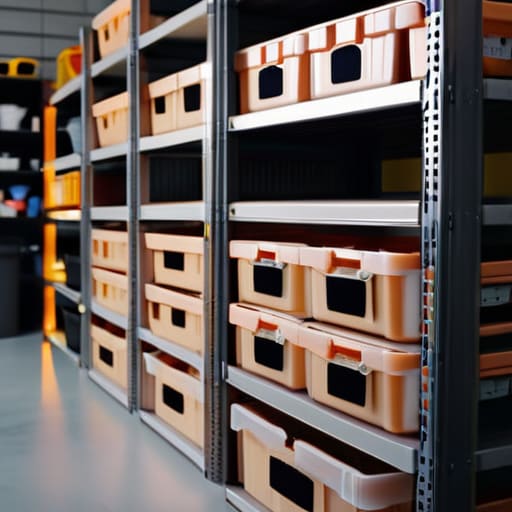
At the end of the day, this annual audit isn’t about being some kind of perfectionist or having a showroom-ready collection. It’s about knowing exactly what you have, where it is, and—more importantly—what condition it’s in. By staying on top of your inventory, getting rid of the clutter that just creates friction, and maintaining a disciplined mindset, you’re removing the variables that lead to mistakes. You’ve done the hard work of sorting through the bins and checking the bores; now you can stop worrying about the unseen risks and start focusing on the actual task at hand. A controlled environment is a safe environment, and that control starts in your storage room, not on the firing line.
I’ve spent twenty years watching people treat their gear like an afterthought, only to realize they’ve neglected the very things that keep them safe. Don’t be that person. This kind of maintenance might feel unglamorous, and it certainly isn’t the part of the sport that gets the glory, but it is the foundation of everything we do. When you take the time to do these checks properly, you aren’t just organizing equipment; you are building a habit of discipline that will serve you every single time you chamber a round. Do the work now, so you don’t have to deal with the consequences later.
Frequently Asked Questions
How do I decide when a piece of gear is actually "end-of-life" versus just needing a little more oil and some attention?
Look, there’s a difference between a tool that’s tired and a tool that’s dangerous. If it’s just surface rust or a stiff action, give it some oil and some patience. But if you’re seeing hairline cracks in the receiver, or if a part feels “mushy” instead of crisp, stop. You don’t negotiate with metal fatigue. If you can’t trust the mechanical integrity after a thorough cleaning, it isn’t gear anymore—it’s a liability.
If I find a component that looks okay but feels off, like a stiff bolt or a worn spring, should I keep it for parts or scrap it entirely?
If it feels off, it is off. I’ve seen too many people think a stiff bolt is just “needs a little more oil,” only to have it bind halfway through a cycle. In my shop, we don’t gamble with mechanical reliability. If a spring has lost its tension or a component feels sluggish, you scrap it. Don’t keep it “for parts” just to clutter a bin; if it isn’t dependable, it’s a liability.
What’s the best way to organize my inventory so I’m not just moving the same pile of clutter from one bin to another every year?
The trick is to stop organizing “stuff” and start organizing by “function.” If you just move piles, you’re just rearranging your mistakes. Instead, group things by how you actually use them: a dedicated bin for cleaning supplies, one for range essentials, and another for parts. When everything has a specific, singular home based on its job, you stop managing clutter and start managing a system. If it doesn’t fit the system, it doesn’t stay.



