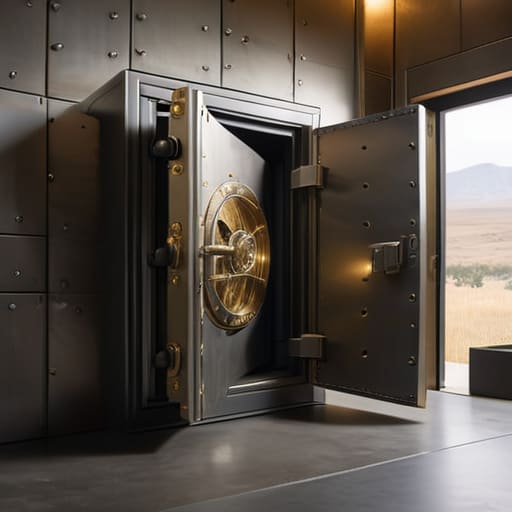
I’ve spent twenty years watching folks walk onto the range, and if there’s one thing I’ve learned, it’s that people love to spend money on the wrong things. You’ll see a guy drop three grand on a high-tech electronic safe with a biometric scanner that works half the time, only to realize later he actually needed a dedicated space for his collection. Most of the gear catalogs make it sound like a choice between a fancy box and a fortress, but they gloss over the practical reality of how to decide between a safe and a vault room based on how you actually live. It isn’t about which one looks better in a showroom; it’s about what you can actually maintain and protect over the next thirty years.
I’m not here to sell you on a specific brand or a piece of hardware that’ll be obsolete by next season. My goal is to walk you through the unglamorous math of space, weight, and long-term access so you don’t end up with a heavy metal mistake you can’t move. I’ll give you the straight truth on the structural and logistical differences, focusing on the practical habits of storage and security that actually matter when the dust settles.
Fireproof Safe vs Walk in Vault the Real Cost
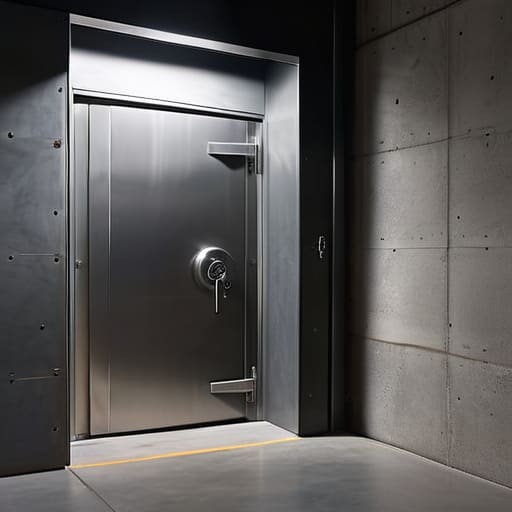
When you start looking at the numbers, you have to look past the sticker price on the showroom floor. A high-quality fireproof safe is a finite purchase; you pay a lump sum, you bolt it to the slab, and you’re done. It’s a contained expense. But when we talk about a walk-in vault, you aren’t just buying a piece of equipment—you are investing in residential security upgrades that involve contractors, electricians, and potentially a structural engineer. You’re moving from a product to a construction project.
The real math comes down to how you value your time versus your floor plan. A safe is a compact solution for someone who wants to keep their gear organized and out of sight. A vault, however, changes the very space requirements for home vaults within your floor plan, often requiring you to sacrifice square footage in a bedroom or basement. You have to decide if the ability to walk into a room and see your entire collection laid out is worth the permanent footprint and the higher upfront labor costs.
Calculating Space Requirements for Home Vaults Under Your Roof
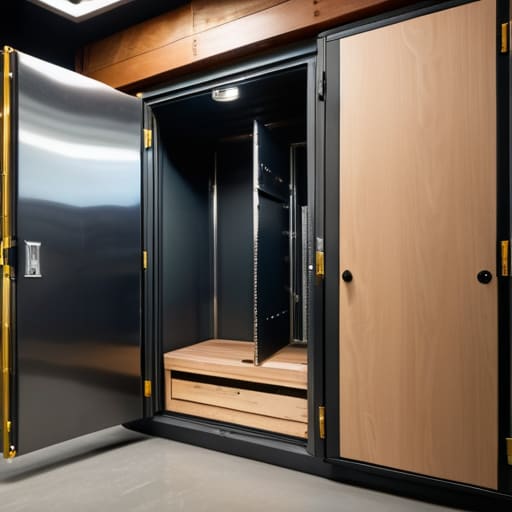
When you start looking at residential security upgrades, most people make the mistake of measuring the floor space and calling it a day. That’s a mistake. If you’re leaning toward a walk-in setup, you have to account for the “swing factor.” You aren’t just standing in a room; you are maneuvering long guns, heavy cases, and perhaps a rolling cart. If your clearance is too tight, you’ll end up bumping the very things you’re trying to protect. I’ve seen plenty of guys build a small closet-style vault only to realize they can’t even fully extend a rifle case without hitting the door.
You also need to consider the structural footprint of your high-value asset protection. A heavy-duty safe sits on a point, but a vault becomes part of the house’s bones. When calculating space requirements for home vaults, don’t forget the thickness of the walls themselves. If you’re adding reinforced masonry or specialized steel lining, that takes up inches on every side. You might think you have a ten-by-ten room, but once the security layers are in, you’ve actually got an eight-by-eight space. Measure twice, build once.
Five Things to Consider Before You Start Digging or Buying
- Think about your floor joists before you buy a heavy safe. I’ve seen guys buy a half-ton steel box only to realize it’s going to bow their floorboards or crack the foundation. A vault room is part of the house’s bones, but a large safe is a dead weight sitting on top of them.
- Determine how often you actually need to touch your gear. If you’re a collector who likes to pull things out, clean them, and swap them every weekend, a walk-in vault makes sense. If you just need to tuck away your defensive tools and forget about them until they’re needed, a high-quality safe is plenty.
- Plan for the “reach-in” factor. There is a big difference between standing in front of a safe and walking into a room. If you have a collection that requires organized racks and specific lighting so you can actually see what you’re grabbing, you’re looking at a vault. If you just need a drawer for mags and a slot for a long gun, don’t overcomplicate it.
- Consider the humidity control. A safe is a sealed metal box that can trap moisture and turn your fine finishes into rust buckets if you aren’t careful with desiccants. A vault room gives you more air volume to work with, but you’ll need to treat the whole room like a climate-controlled space to keep that gear healthy.
- Evaluate your “exit strategy” for the build. Building a vault room is a permanent decision that affects your home’s resale and its structural integrity. A safe is a piece of equipment you can move if you change houses. Decide now if you’re building a fortress or just buying a piece of furniture.
The Bottom Line Before You Buy
Don’t let the price tag of a high-end safe fool you into thinking it’s a permanent solution; a vault is a commitment to the house’s bones, while a safe is just another piece of equipment you’ll eventually have to move or replace.
Measure twice and think about the weight, because a heavy safe sitting on a standard floor is a different problem than a reinforced vault room that requires structural support from the ground up.
Focus on your actual inventory rather than your “wish list,” because you shouldn’t build a room for the rifles you hope to own if a well-organized, high-quality safe already handles what you actually have in the rack.
Choosing Your Foundation
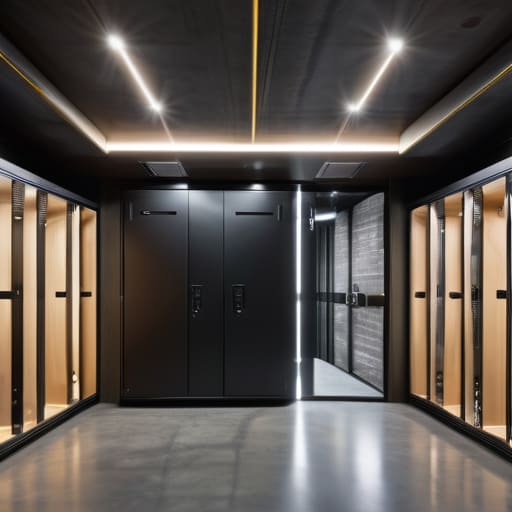
At the end of the day, picking between a safe and a vault room comes down to how you intend to live with your gear. If you just need a reliable way to keep your collection organized and locked away from prying eyes, a high-quality, heavy safe is usually the smart, pragmatic choice. But if you are planning to build a dedicated space where you can clean, inspect, and organize your equipment without feeling cramped, then investing in the structural bones of a vault room is the only way to go. Don’t let the initial cost of a build-out scare you off if you have the space; it’s about matching your infrastructure to your long-term habits.
I’ve seen plenty of guys buy a top-of-the-line safe only to realize they have no comfortable place to actually maintain their rifles. Conversely, I’ve seen folks build beautiful rooms they can’t properly secure. Whether you choose a steel box or a reinforced room, remember that the container is secondary to the discipline of the person using it. Secure your gear, maintain your equipment, and respect the process. If you get the foundation right, the shooting—and the peace of mind that comes with it—will take care of itself.
Frequently Asked Questions
If I start with a heavy safe now, can I eventually expand it into a full vault room later without tearing out my floor?
You can, but you have to plan for the weight. If you buy a heavy safe now, you’re likely looking at a localized point load on your floor. To expand into a vault later, you’ll need to ensure your subfloor or slab is reinforced to handle the distributed weight of a room, not just a single box. Buy the safe, but don’t commit to a floor layout until you know what the room’s foundation can actually carry.
How much extra work is the maintenance on a walk-in vault compared to just wiping down a safe once a month?
A safe is a box you visit; a vault is a room you live in. With a safe, you’re just wiping down the exterior and checking the seal. With a vault, you’re managing an environment. You have to watch the humidity levels more closely, keep the air moving, and ensure the floor stays dry. It’s not more work, necessarily, it’s just a different kind of discipline. You aren’t just maintaining a container; you’re maintaining a climate.
Is it worth the extra money to build a vault room if I'm mostly worried about theft rather than fire?
If theft is your primary concern, a safe is just a heavy box waiting for a pry bar or a grinder. A vault room changes the math entirely. You aren’t just adding a lock; you’re adding structural layers—reinforced studs, specialized masonry, and hidden entry points—that make a thief decide your house isn’t worth the effort. If you’ve got the footprint, build the room. It’s much harder to steal a room than a box.




