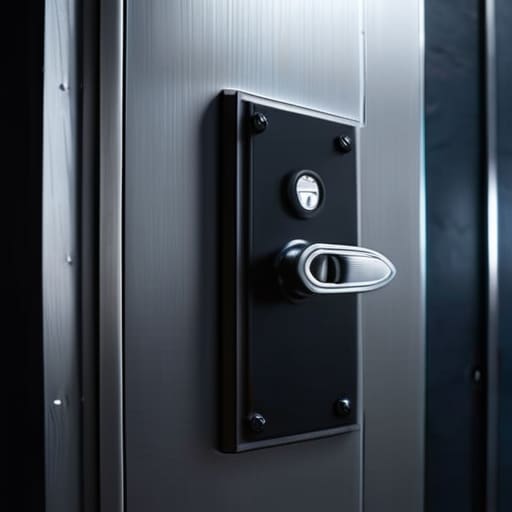
I’ve seen plenty of guys spend three months’ salary on a biometric safe that promises the moon, only to realize they’ve just bought a very expensive paperweight that fails the moment the batteries die or a kid gets a hold of a fingerprint. Most of the advice you find online about how to secure a gun room is centered around these shiny, over-engineered gadgets that prioritize marketing over mechanics. Real security isn’t about having the latest touchscreen interface; it’s about the boring, physical realities of how a person actually moves through a house and where the weak points really lie.
I’m not here to sell you a subscription service or a high-tech fortress. I want to talk about the unseen habits and the practical, low-tech layers that actually stop a problem before it starts. We’re going to look at the fundamentals: structural reinforcement, redundant access controls, and the kind of disciplined organization that ensures your gear stays exactly where it belongs. If you want the truth about how to secure a gun room without the fluff, you’re in the right place. Let’s get to work.
Reinforced Wall Construction Building a Fortress Not a Facade
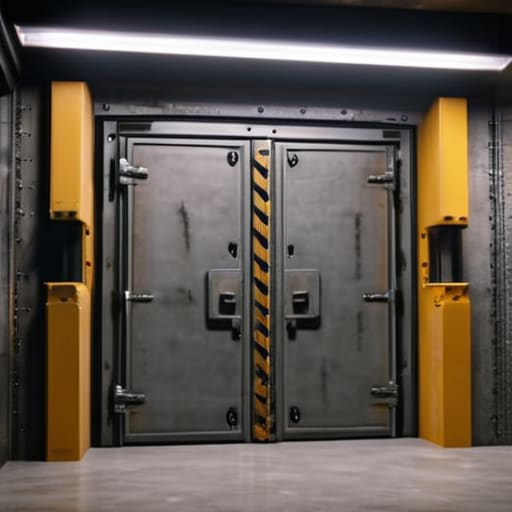
Most folks think a gun room is just a closet with a heavy door, but if you’re building one from the ground up, you have to look at what’s holding that door up. I’ve seen plenty of guys spend a fortune on high-security door locks only to realize they’ve mounted them to a piece of thin drywall that a determined person could kick through in seconds. Real reinforced wall construction isn’t about being paranoid; it’s about making sure the structure itself is as much a barrier as the steel you’re putting inside it.
If you’re framing out a dedicated space, I always suggest running your studs closer together or even using a layer of plywood behind the drywall to give the wall some actual meat. It gives you a solid substrate for mounting heavy shelving or even integrated security camera surveillance without worrying about the whole assembly bowing under the weight. You want a room that feels solid when you step into it. If the walls feel flimsy, your security plan is nothing more than a facade.
High Security Door Locks and the Myth of Easy Access
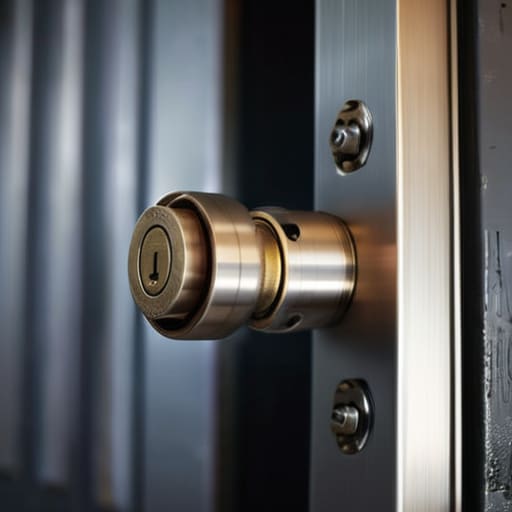
Most folks think a heavy-duty deadbolt is the finish line, but that’s where the mistake starts. I’ve seen too many people spend a fortune on reinforced wall construction only to install a door that a determined person could kick through in seconds. You aren’t just looking for a lock; you’re looking for a system that resists leverage. If you’re investing in high-security door locks, make sure they are rated for actual forced entry, not just “added security.” A standard hardware store cylinder is a joke when someone brings a pry bar to the party.
Then there’s the debate between old-school keys and modern tech. I’ve watched plenty of shooters struggle with fumbling for keys in the dark, which is its own kind of safety hazard. While biometric access control offers that “cool factor” and quick entry, you have to remember that electronics can fail or get finicky with dirty hands. My advice? Don’t rely on a single point of failure. Whether it’s a mechanical dial or a fingerprint scanner, your entry point needs to be as deliberate and unhurried as your cleaning routine.
The Boring Stuff: Five Habits for a Truly Secure Room
- Manage your inventory with a simple logbook. It isn’t about being paranoid; it’s about knowing exactly what you have and where it is. If you move a piece from the safe to the rack for cleaning, write it down. When you know your baseline, you’ll notice the second something is out of place.
- Control your lighting and your sightlines. A dark corner is a thief’s best friend, but a room that’s too bright and open tells a burglar exactly what’s inside from the street. I prefer motion-activated lighting in the hallway leading to the room, but keep the room itself dim and unremarkable from the outside.
- Keep your digital footprint small. I see people posting photos of their new acquisitions all over social media. That’s fine for a hobby, but if you’re showing off a high-end collection, you’re essentially handing out a map to your gun room. Keep the high-value stuff off the internet.
- Establish a “two-person” rule for high-value changes. If you’re installing a new heavy-duty safe or moving a large collection, don’t do it alone. It’s not just about the heavy lifting; it’s about having a witness to the process. It ensures that the way you set things up is the way they stay set up.
- Routine audits of your secondary security. A lock is only as good as the frame it’s attached to, and a sensor is only as good as its last battery change. Every few months, walk through your security routine like you’re a stranger trying to break in. Test the alarms, check the hinges, and make sure your habits haven’t gotten lazy.
The Bottom Line on Room Security
Real security starts with the bones of the room, not the hardware on the door; if your walls are just thin drywall, you haven’t built a vault, you’ve built a suggestion.
Don’t fall for the “gadget trap” where you buy a high-end lock but leave the surrounding frame vulnerable to a simple pry bar.
A secure gun room is a combination of structural integrity and consistent habits, ensuring that the physical barriers actually hold up when they need to.
Making it Stick
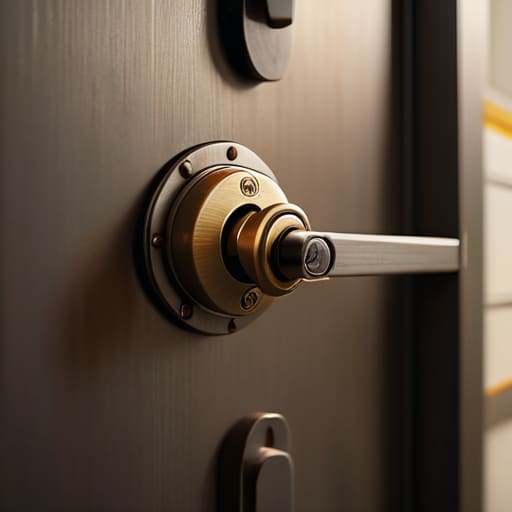
At the end of the day, a secure gun room isn’t built on a single expensive piece of hardware or a fancy smart lock that’ll eventually lose its connection to the Wi-Fi. It’s the combination of the heavy lifting—like those reinforced walls and high-security door frames we discussed—and the unseen discipline of the person holding the key. You can install the best deadbolts in the state, but if you leave a window unlatched or a spare key under a mat, you’ve essentially built a fortress with a screen door. Securing your collection is about closing every gap, from the structural studs in your walls to the routine checks you perform before you head to bed.
I’ve spent twenty years on the range watching people rush through their procedures, thinking they can skip the small stuff because “it’s probably fine.” In this sport, “probably fine” is how things go sideways. Securing your gear is a lot like cleaning a rifle; it isn’t always the most exciting part of the hobby, but it is the foundation that allows you to actually enjoy the shooting. Treat your storage with the same respect you treat your trigger press. If you build these habits into your daily life, you aren’t just protecting your investment—you are protecting your peace of mind.
Frequently Asked Questions
If I'm building out a dedicated space, how much weight can a standard residential floor actually handle before I need to worry about the safes?
That’s a question I see a lot when people move from a small closet to a dedicated room. You can’t just drop a half-ton safe on a standard floor and hope for the best. Most residential joists aren’t built for concentrated, static loads like that. Before you move anything in, you need to check your floor’s load capacity—ideally by talking to a contractor. If you’re over the limit, you’ll need to reinforce those joists. Don’t skip this.
Is it worth investing in electronic keypad locks for the door, or am I just trading one set of mechanical failures for another?
Electronic locks aren’t a magic fix, and they aren’t a replacement for a solid deadbolt. They’re a trade-off. You gain convenience and a better audit trail, but you’re introducing a battery and a circuit board into a room that should be predictable. If you go electronic, don’t buy the cheapest unit on the shelf. Get something with a mechanical override. I’ve seen too many people locked out of their own gear because a capacitor died.
Beyond the physical locks and walls, what are the most effective ways to monitor the room without turning my home into a high-tech surveillance state?
You don’t need a command center to keep an eye on things. Real security is about knowing when something is out of place. I prefer simple, reliable sensors—a contact sensor on the door and a motion light in the hallway. If a light goes on or a chime sounds at 2:00 AM, you’ll know. It’s not about watching a screen; it’s about having a system that tells you when a habit has been broken.




